Arthroscopy of meniscus surgery can help treat certain knee cartilage injuries and improve movement when a meniscus tear causes persistent symptoms. A sudden twist during sports, an awkward step, or a quick change in direction can damage the meniscus and make everyday activities uncomfortable. You may notice swelling, stiffness, or difficulty bending your knee.
However, not every meniscus tear requires surgery. Some injuries improve with physiotherapy, activity modification, and other non-surgical treatments. Therefore, understanding the injury and exploring the available treatment options can help you make informed decisions about your knee health.
In this blog, we explain how the procedure works, when a doctor may recommend it, and what you can expect during recovery.
What Happens When You Tear Your Meniscus?
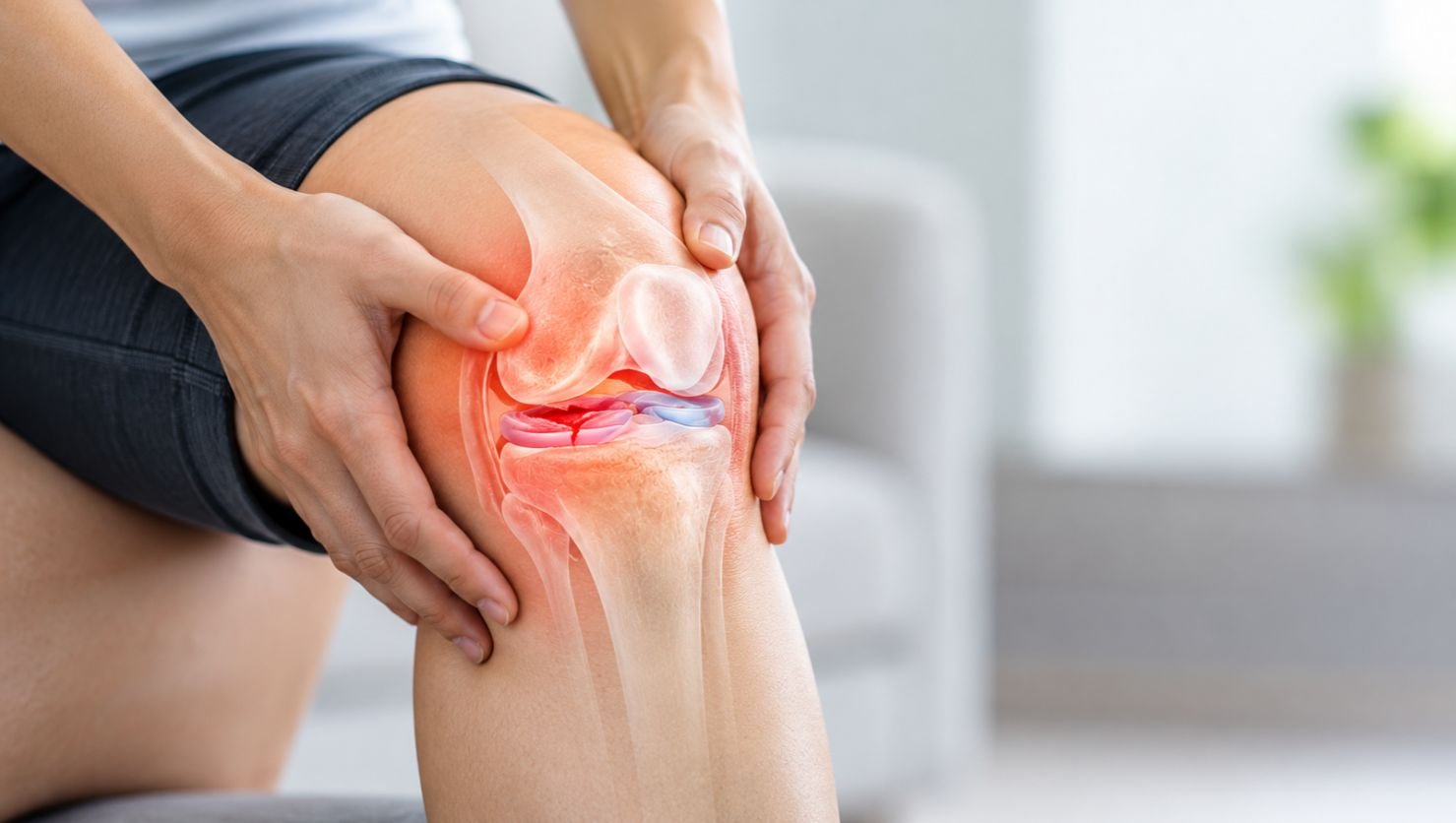
Your knee contains two menisci, which are crescent-shaped pieces of cartilage between your thighbone and shinbone. They absorb shock, distribute pressure, and help your knee move smoothly.
However, sudden twisting movements, sports injuries, and age-related changes can damage this cartilage. Depending on the injury, you may experience:
- Pain along the inner or outer side of your knee
- Swelling and stiffness
- Difficulty bending or straightening your leg
- Clicking or catching sensations
- A feeling that your knee gets stuck during movement
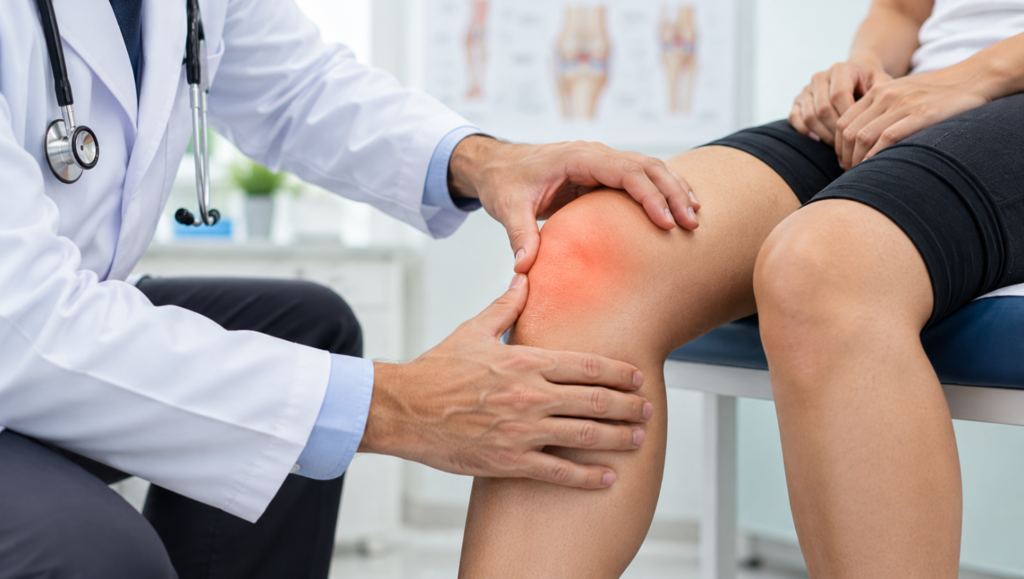
These symptoms can also occur with other knee conditions. Therefore, consult an orthopaedic specialist Dr Arun Jyothi for an accurate diagnosis.
To understand the cartilage’s role in knee movement, read our guide to what the meniscus is and how it works.
What Is Arthroscopic Meniscus Surgery?
Arthroscopy of meniscus surgery allows a surgeon to examine and treat the inside of your knee through small incisions. The surgeon inserts a thin instrument called an arthroscope, which contains a small camera. The camera displays the inside of the joint on a screen.
Using specialised instruments, the surgeon can repair a suitable tear or remove an unstable portion of damaged cartilage when necessary.
The main goal is to treat the injury while preserving as much healthy meniscus as possible. Nevertheless, the surgeon must consider the tear’s location, pattern, and healing potential before selecting a procedure.
Meniscus Repair
When a tear has the potential to heal, the surgeon may stitch the damaged tissue together. This approach preserves the meniscus, which helps protect the knee joint.
However, repair does not suit every injury, and the tissue needs time to heal after meniscus surgery.
Partial Meniscectomy
If the surgeon cannot repair the damaged portion effectively, they may remove the unstable tissue while preserving as much healthy cartilage as possible.
Your orthopaedic specialist will explain which approach may suit your injury and why.
When Might You Need Meniscus Surgery?
A meniscus tear does not automatically mean you need an operation. In many cases, doctors recommend non-surgical treatment first, especially when symptoms remain manageable and the knee moves normally.
However, surgery may be appropriate in selected situations.
Persistent pain: If knee pain and swelling continue despite appropriate treatment, your doctor may reassess the injury and discuss further options.
A repairable tear: Certain acute tears may benefit from repair, particularly when the injury affects an area with a better blood supply.
A locked knee: A displaced piece of cartilage can sometimes physically block movement. If you suddenly cannot straighten your knee, seek prompt medical assessment.
Difficulty with daily activities: If symptoms interfere with walking, work, or sports, your doctor may review whether surgery could help.
Importantly, degenerative meniscus tears associated with osteoarthritis often respond to non-surgical care. Your doctor should discuss the benefits, risks, and alternatives before recommending surgery.
For more information about different injury patterns, explore our article on types of meniscus tears.
How Does the Procedure Work?
Understanding the process can help you feel more prepared. Although each case differs, the procedure generally involves these steps.
- Knee assessment: The surgeon reviews your symptoms, examines your knee, and may recommend an MRI scan.
- Surgical preparation: The medical team explains the procedure, anaesthesia, and aftercare instructions.
- Small incisions: The surgeon inserts the arthroscope and instruments through small openings around the knee.
- Treatment of the tear: The surgeon repairs the cartilage or removes the unstable damaged portion, depending on the treatment plan.
- Postoperative care: The medical team provides instructions for wound care, pain management, movement, and rehabilitation.
Many patients return home on the same day. However, your medical team will determine the appropriate plan based on your condition and recovery.
Recovery After Arthroscopic Meniscus Surgery
Recovery depends on the type of procedure, the severity of the injury, and your overall health.
After a partial meniscectomy, some patients resume everyday activities relatively quickly. In contrast, meniscus repair generally requires a longer recovery because the tissue needs time to heal.
Your recovery plan may include:
- Pain and swelling management: Follow your surgeon’s instructions for medication, icing, and leg elevation.
- Movement and weight-bearing: Use crutches or follow activity restrictions when recommended.
- Physiotherapy: Complete prescribed exercises to restore movement, strength, and balance.
- Gradual return to activity: Increase your activity according to your healing progress and your medical team’s guidance.
Avoid returning to running or competitive sports too early. Moreover, contact your medical team if you develop increasing pain, significant swelling, fever, or wound discharge after surgery.
Consult a Sports Medicine Specialist in Trivandrum
Choosing the right treatment starts with an accurate diagnosis. An orthopaedic specialist can assess your symptoms, explain your options, and help you understand whether surgery may benefit your knee.
Dr Arun Jyothi is an arthroscopy of meniscus surgery specialist in Trivandrum who treats musculoskeletal and sports-related conditions. If you are looking for the best sports medicine doctor in Trivandrum, you can consult him to discuss your knee symptoms and explore appropriate treatment options.
Rather than relying on an MRI report alone, discuss how the injury affects your movement, whether the tear may heal, and what recovery could involve.
Conclusion: Take the Right Step Towards Better Knee Health
A meniscus tear can make everyday movements uncomfortable, but the right treatment plan can help you work towards better knee function. While some injuries improve with physiotherapy and other non-surgical care, selected tears may benefit from surgery.
Arthroscopy of meniscus surgery can help treat certain knee injuries through small incisions. However, your symptoms, the type of tear, and your overall knee health should guide the treatment decision.
Don’t ignore persistent knee pain, swelling, or a knee that locks during movement. Contact Dr Arun Jyothi to arrange an assessment, understand your treatment options, and take an informed step towards recovery.