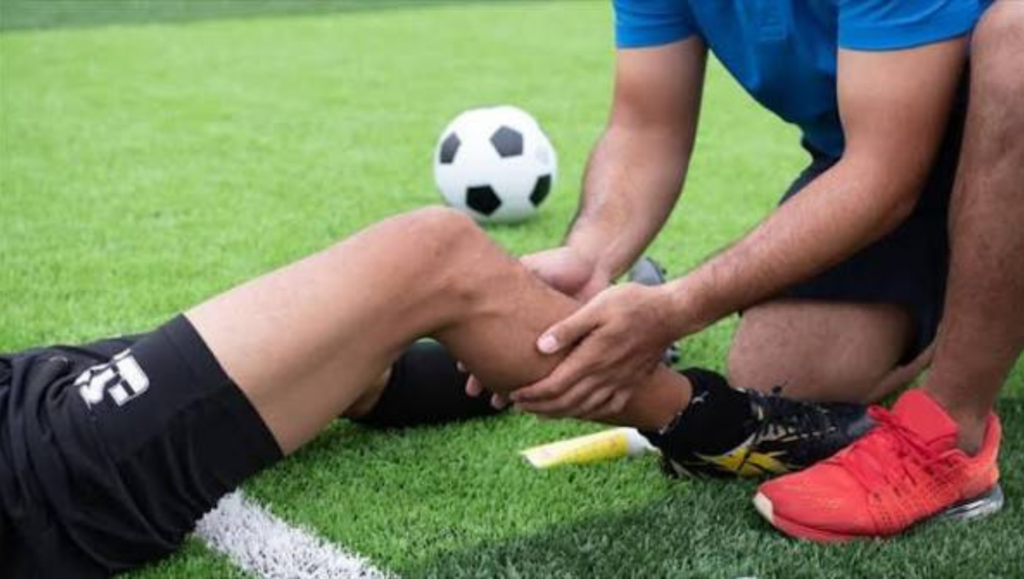
ACL tear vs rupture can be confusing because people often use these terms interchangeably when talking about knee injuries. The anterior cruciate ligament (ACL) is an important ligament inside the knee that helps maintain stability during movements such as running, jumping, landing, and changing direction. When this ligament becomes damaged, the injury can range from a partial tear to a complete rupture. Understanding the difference can help you recognize the severity of the injury and seek appropriate medical care.
What Is an ACL Injury?
The ACL connects the thigh bone (femur) to the shin bone (tibia) and plays a key role in keeping the knee stable. A sudden change in direction, awkward landing, rapid deceleration, or direct impact can place excessive force on the ligament. As a result, the ACL may stretch or tear.
In general, doctors may describe ACL damage as a partial tear or a complete tear, also commonly called a rupture. Therefore, the terms can overlap, but they can also describe different degrees of ligament damage.
What Does an ACL Tear Mean?
An ACL tear refers to damage to the ligament fibers. The injury can be partial, meaning some fibers remain intact, or complete, where the ligament is torn through.
A partial ACL tear may leave some of the ligament functioning. Consequently, the knee may remain relatively stable in certain situations, although pain, swelling, reduced movement, or instability can still occur.
However, the severity of an injury cannot always be determined by symptoms alone. A clinical examination and, when appropriate, an MRI can help assess the ACL and identify associated injuries involving structures such as the meniscus, cartilage, or other ligaments.
What Is an ACL Rupture?
An ACL rupture generally refers to a complete tear of the ligament. In this situation, the ACL fibers are disrupted to a greater extent, which can significantly affect knee stability.
People with a complete ACL injury may experience a popping sensation at the time of injury, rapid swelling, difficulty putting weight on the leg, and a feeling that the knee is giving way. Nevertheless, symptoms can vary from person to person.
Repeated episodes of instability may also affect other structures inside the knee. For this reason, an accurate assessment is important after a suspected major ligament injury.
Common Symptoms of ACL Damage
ACL injuries can produce several symptoms, particularly after a sudden twisting or landing movement. Common signs include:
- A popping sensation or sound during the injury
- Sudden knee pain
- Swelling that develops quickly
- Difficulty bearing weight
- Reduced knee movement
- A feeling that the knee is unstable
- Repeated episodes of the knee giving way
Still, these symptoms do not confirm an ACL injury by themselves. A proper orthopedic evaluation is necessary to determine the cause and severity of the problem.
How Is an ACL Injury Diagnosed?
A doctor will first understand how the injury occurred and ask about symptoms such as swelling, pain, instability, and difficulty walking. Next, a physical examination can help assess knee movement and ligament stability.
Depending on the findings, imaging may also be recommended. An MRI can help confirm ACL damage and identify injuries affecting the meniscus, cartilage, or other ligaments.
Therefore, avoiding self-diagnosis is important, especially when the knee continues to swell, feel unstable, or give way.
Treatment Options for ACL Injuries
Treatment varies according to the type of injury and the individual’s needs. For some people, structured physiotherapy and activity modification may help manage symptoms and improve knee function.
On the other hand, ACL reconstruction may be considered when significant instability persists, particularly for people who want to return to sports involving jumping, pivoting, or rapid changes in direction. Associated knee injuries can also influence the treatment decision.
When surgery is appropriate, ACL reconstruction replaces the damaged ligament with a graft. Following the procedure, rehabilitation plays an important role in restoring strength, movement, and function. Recovery can take several months, and returning to sports may take longer depending on individual progress.
When Should You See an Orthopedic Surgeon?
A knee injury deserves medical attention when you experience significant swelling, difficulty bearing weight, persistent pain, or a feeling that the knee is giving way. Similarly, athletes and physically active individuals should not ignore recurring instability after a suspected ligament injury.
Early assessment can help identify the extent of the damage and guide an appropriate treatment plan. Dr. Arun Jyothi is an orthopedic and sports medicine specialist in Trivandrum with a focus that includes ligament reconstruction and sports-related injuries.
If you have experienced a twisting knee injury, heard a popping sound, or continue to feel instability, consult Dr. Arun Jyothi, an orthopedic surgeon in Trivandrum, for a professional evaluation. A timely assessment can help determine whether you need rehabilitation, further investigation, or surgical treatment.

Conclusion
Understanding ACL tear vs rupture starts with recognizing that a tear can describe different levels of ligament damage, while a rupture commonly refers to a complete tear. However, the exact extent of an ACL injury cannot be determined from symptoms alone.
With proper clinical assessment and appropriate imaging when required, an orthopedic specialist can evaluate the injury and discuss suitable treatment options. If you are experiencing knee pain, swelling, instability, or repeated giving-way episodes after an injury, book a consultation with Dr. Arun Jyothi, orthopedic surgeon in Trivandrum, and get your knee evaluated rather than delaying treatment.