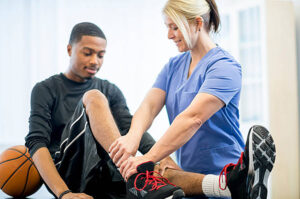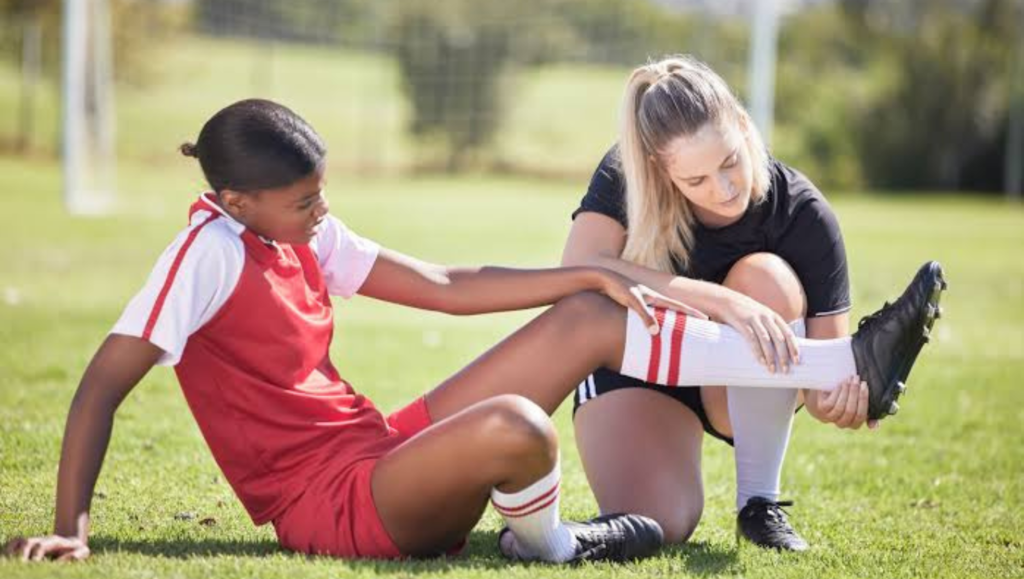
Female ACL injury risk is an important concern, especially for women and girls who participate in sports that involve running, jumping, sudden turns, or quick changes in direction. Studies show that female athletes can experience ACL injuries at higher rates than male athletes, with several factors contributing to this difference.
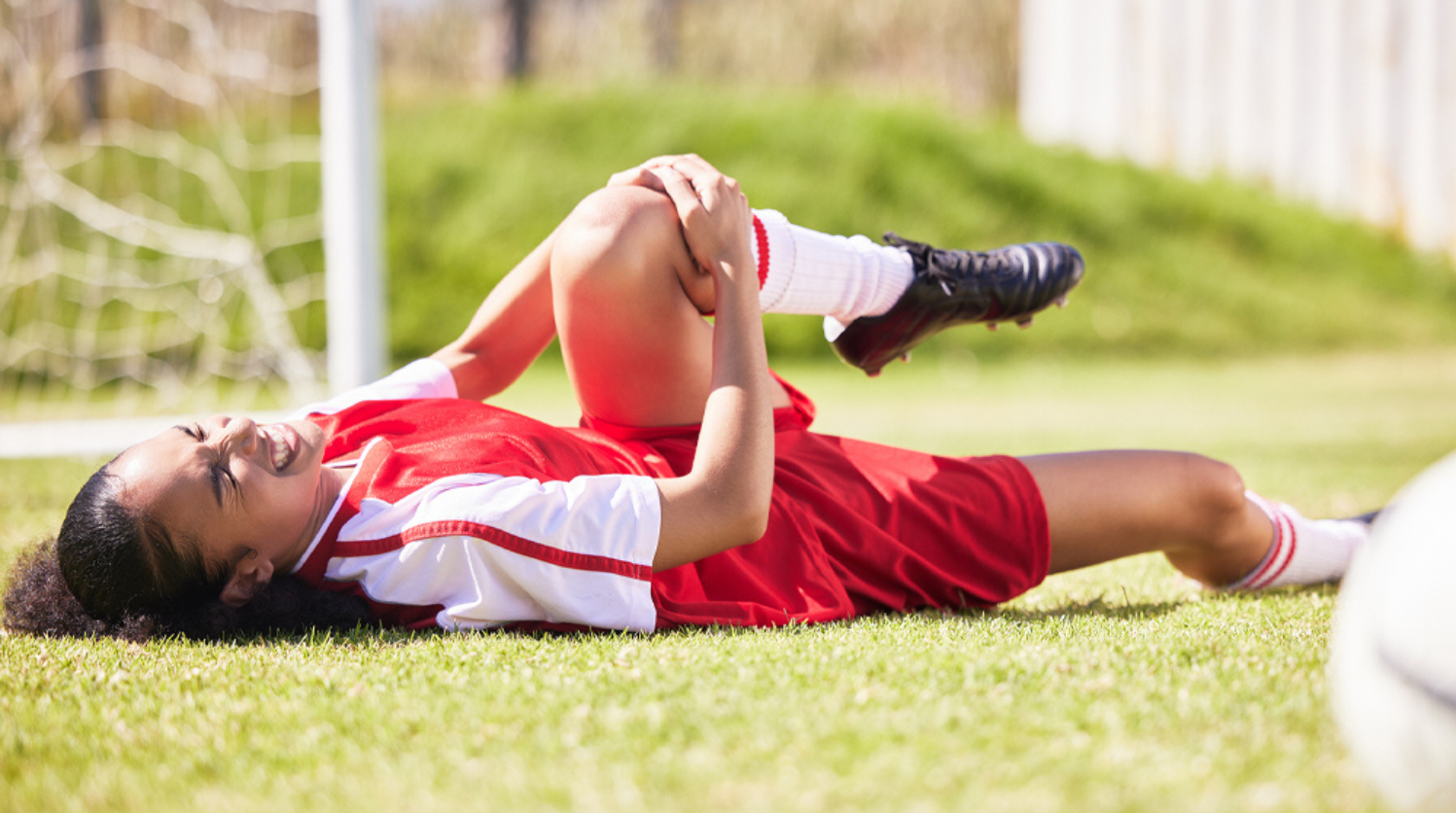
The ACL, or anterior cruciate ligament, is one of the main ligaments that helps stabilize the knee. When it tears, a person may experience pain, swelling, instability, and difficulty putting weight on the affected leg. However, an ACL injury does not always happen after a collision. Many injuries occur during movements such as landing from a jump, suddenly stopping, or changing direction.
So, why are women more vulnerable to ACL injuries? Let’s look at the key factors.
Why Women Have a Higher Risk of ACL Tears
Several factors can contribute to ACL injuries in women. These include differences in body structure, muscle strength, movement patterns, and hormones. Importantly, having these risk factors does not mean an injury is inevitable. With proper training, awareness, and injury-prevention strategies, many risk factors can be addressed.
1. Differences in Body Structure
The structure of the knee and surrounding bones can influence how forces move through the joint.
Some women have anatomical features such as a narrower space within the knee, which has been associated with a greater likelihood of ACL injury. Differences in hip and knee alignment can also affect how the knee responds during movements such as jumping and landing.
However, anatomy is only one part of the picture. Other factors, including movement and muscle control, also matter.
2. Muscle Strength and Movement Patterns
The way a person lands, turns, or slows down can put additional stress on the ACL.
For example, some female athletes may land with less bending at the hips and knees or with the knee moving inward. This movement, commonly called knee valgus, can increase stress around the knee during certain activities.
Therefore, improving lower-body strength, balance, coordination, and landing technique can play an important role in injury prevention.
3. Hormonal Changes May Play a Role
Hormonal changes are another area researchers continue to study. Hormones can influence ligament laxity and the way tissues around the knee respond to stress. Some research has found associations between phases of the menstrual cycle and ACL injury risk, although the relationship is complex and not the only reason injuries occur.
So, hormonal factors should be considered as part of the bigger picture rather than treated as the sole cause of an ACL tear.
4. Sports That Require Sudden Movements
Sports such as football, basketball, volleyball, and other activities involving jumping, pivoting, and sudden changes in direction can place significant demands on the knee.
Interestingly, many ACL injuries in female athletes happen without direct contact. A sudden landing, twisting motion, or change of direction can be enough to injure the ligament.
This is why learning the correct movement technique is just as important as wearing appropriate sports equipment.
How Can Women Reduce Their Risk of ACL Injury?
The good news is that some risk factors can be improved through proper preparation and training.
A good injury-prevention program may include:
- Strengthening the quadriceps, hamstrings, hips, and core
- Improving balance and coordination
- Practicing safe landing techniques
- Learning proper cutting and change-of-direction techniques
- Gradually increasing training intensity
- Warming up properly before sports
- Giving the body enough time to recover
Research supports prevention programs that focus on neuromuscular training, strength, balance, and movement control.
If you regularly participate in sports and notice knee instability, repeated swelling, pain, or a feeling that your knee is giving way, do not ignore it. Getting an assessment early can help identify the problem and guide the right treatment.
When Should You See an ACL Specialist?
A female ACL injury risk needs proper evaluation because symptoms can overlap with other knee problems. A sports medicine or orthopedic specialist can assess your symptoms, examine your knee, and recommend appropriate investigations when necessary.
Dr Arun Jyothi is an orthopaedic and sports medicine specialist in Trivandrum who treats knee and sports-related conditions. If you experience symptoms after a sports injury or are concerned about your knee stability, professional evaluation can help you understand what is actually happening and what steps to take next.
Conclusion
Understanding female ACL injury risk can help women and girls become more aware of their knee health and take practical steps to protect it. Although factors such as anatomy, hormones, muscle strength, and movement patterns can influence injury risk, proper strength training, movement technique, and preventive exercises can help reduce the likelihood of injury.
Don’t wait until knee pain or instability affects your everyday life or stops you from playing the sport you love. If you have experienced a knee injury, repeated swelling, instability, or a sudden popping sensation, consult Dr Arun Jyothi for a professional assessment and get the right care for your knee.