Shoulder Osteoarthritis: Expert Guide from Arthritis Treatment Specialists in Trivandrum
Joint pain caused by osteoarthritis can range from mild to severe and may significantly affect your day-to-day life. Osteoarthritis can affect different joints in the body, including the shoulder, knee, hip, and ankle. In this blog, we are going to discuss shoulder osteoarthritis, its causes, and a brief overview of shoulder anatomy, with insights from Arthritis Treatment Specialist in Trivandrum, Dr. Arunjyothi.
Many people experience shoulder pain but often ignore the early symptoms. As a result, the condition may become more complicated over time, and doctors may eventually suggest shoulder replacement surgery to relieve the pain. However, why let the condition reach that stage? Understanding the root cause of shoulder pain at an early stage can help prevent serious complications. So, let’s dive into the discussion and learn more about shoulder osteoarthritis.
What is shoulder arthritis?
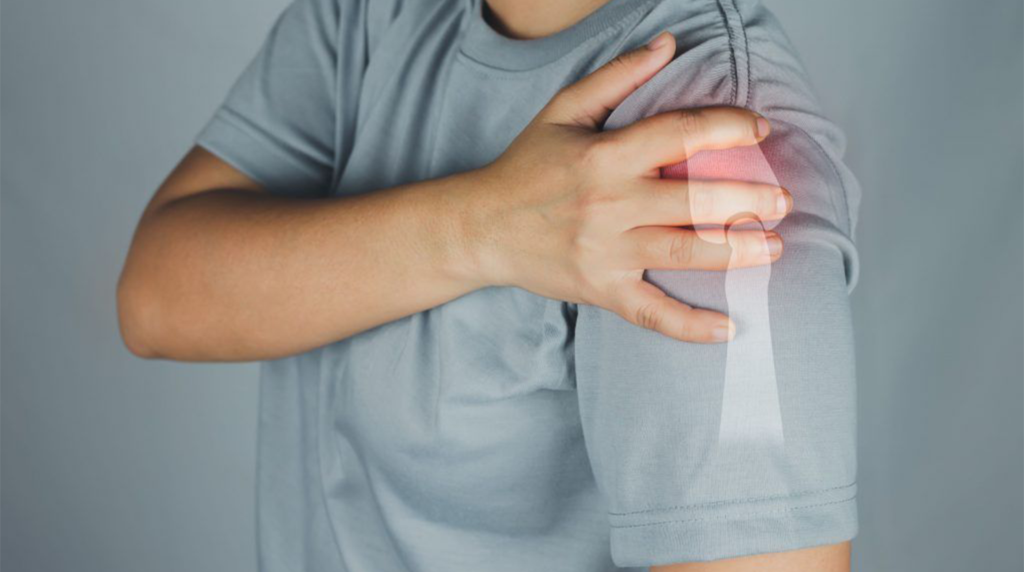
Shoulder arthritis is simply the pain and stiffness experienced in the shoulder joint. It can cause discomfort during hand movements and make even simple actions difficult to perform. For example, you may find it hard to reach for something placed in a high position. Likewise, activities such as basketball and badminton, which involve excessive use of the shoulders and hands, may become painful and difficult.
In some cases, even basic daily activities like brushing your teeth can become challenging because of the stiffness experienced in the shoulder area. Moreover, the condition often interrupts sleep due to continuous discomfort. Moderate shoulder osteoarthritis may also cause chronic dull pain or intermittent flare-ups of intense pain, which can further disturb sleep and affect daily life
Type of shoulder arthritis
There are two types of shoulder arthritis. Among them, glenohumeral arthritis is considered the most common type of shoulder arthritis. Inflammatory forms of arthritis, such as rheumatoid arthritis, are considered an autoimmune disease, and gout is also included among these conditions.
If you are suffering from intense shoulder pain, it is important to understand the structure and function of the shoulder joint. To help you better understand this medical condition, Dr. Arunjyothi, one of the best arthritis treatment specialists in Trivandrum, explains the anatomy of the shoulder in an easy and understandable way.
Mainly, the shoulder is composed of three bones:
- Humerus (upper arm bone)
- Scapula (shoulder blade)
- Clavicle (collarbone)
These three bones are connected by four joints. However, only two of these joints are commonly affected by shoulder arthritis. They are:
- The glenohumeral joint
- The acromioclavicular joint
Glenohumeral Joint vs Acromioclavicular Joint
The glenohumeral joint is formed when the round head of the humerus fits into the socket of the scapula, called the glenoid. This joint allows a wide range of shoulder movements, including circular motion.
On the other hand, the acromioclavicular joint is located where the clavicle connects with the acromion, which is the highest point of the scapula. This joint helps with shoulder movement and stability. Compared to the glenohumeral joint, the acromioclavicular joint is more susceptible to wear and tear and arthritis.
How does shoulder osteoarthritis cause pain?
There are several caused of pain due to shoulder osteoarthritis
- Cartilage damage
- Bone spurs
- Excess bone growth
- Bone lesion
- Inflammation
- Side effects of other soft tissue
Shoulder Replacement Surgery with Dr. Arunjyothi
When shoulder arthritis reaches an advanced stage and pain becomes difficult to manage, doctors may recommend shoulder replacement surgery. During this procedure, the surgeon removes the damaged parts of the shoulder joint and replaces them with artificial components to restore smoother movement and reduce pain.
The surgery mainly focuses on the glenohumeral joint, where the ball of the humerus and the shoulder socket are affected by arthritis. By replacing these worn-out joint surfaces, patients can experience better mobility and improved quality of life.
Since shoulder replacement is a major procedure, recovery takes time and proper care. After surgery, physical therapy plays an important role in rebuilding shoulder strength, improving movement, and preventing stiffness. Most patients gradually return to daily activities, and many can resume driving within 4 to 6 weeks, depending on their recovery progress.

A Quick Final Note from an Arthritis Expert in Trivandrum
Many people misunderstand shoulder pain and try to identify the cause on their own without knowing the actual problem. Instead of consulting a doctor, they often search the internet based only on visible symptoms and start self-diagnosing without proper medical examination. However, shoulder pain can occur for many different reasons, and without identifying the root cause, the condition may gradually become more serious.
That is why understanding basic body anatomy and recognizing where the pain originates is important. More importantly, a proper medical examination helps identify the exact cause of the pain and the right treatment required for recovery. Early diagnosis can prevent complications and improve treatment outcomes.
If you are experiencing continuous shoulder pain, stiffness, or difficulty in movement, do not ignore the symptoms. Consult a specialist and get the right diagnosis at the right time. Dr. Arunjyothi, one of the best Arthritis Treatment Specialist in Trivandrum, provides expert evaluation and advanced treatment options for shoulder arthritis and joint-related conditions.
Book your consultation today and take the first step toward pain-free movement.