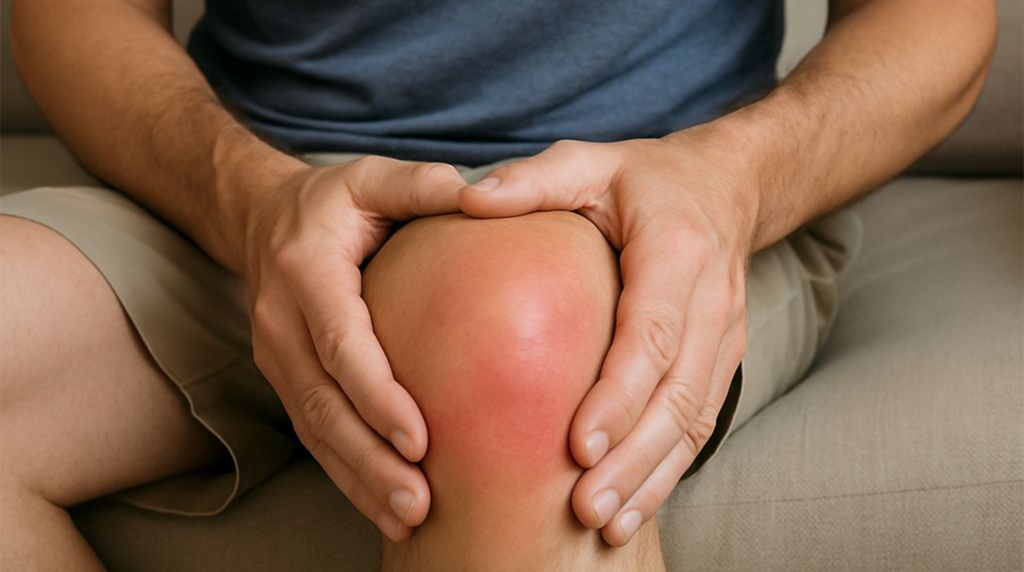
Don’t Ignore Knee Pain: Understanding ACL Injuries
Understanding ACL injuries is important because many people often ignore knee pain or mistakenly self-diagnose it as a minor issue. As a result, they do not seek proper medical attention, which can delay treatment and recovery.
In this blog, we discuss the common causes of knee pain in detail and provide a simple explanation of the anatomy of the ACL (Anterior Cruciate Ligament). Furthermore, we explain the available knee ligament treatment options and how they help patients recover effectively.
Through this discussion with Dr. Arun Jyothi, who offers advanced ACL treatment in Trivandrum, readers will gain a clear understanding of ACL injuries, their symptoms, causes, and treatment methods. So, let’s explore the role of the Anterior Cruciate Ligament and learn why proper diagnosis and timely treatment are essential for maintaining knee health.
What is the anterior cruciate ligament?
The knee has four major ligaments, and the Anterior Cruciate Ligament (ACL) is one of the most vital structures. It provides strength and stability to the knee joint. Simply put, the ACL connects the femur (thigh bone) to the tibia (shin bone) and helps prevent excessive forward movement of the tibia.
Moreover, ACL injuries are quite common and are not considered rare. They often occur due to excessive stress on the knee or during sports activities. As a result, active individuals and athletes are more likely to experience ACL injuries.
Now that we have a basic understanding of the ACL, let’s explore the anatomy of the Anterior Cruciate Ligament in a simple and easy-to-understand way. In addition, we will look at the specialized areas of expertise offered by Dr. Arun Jyothi.
Anatomy of ACL (ANTERIOR CRUCIATE LIGAMENT )
The ACL is a strong fibrous band that connects the back of the femur (thigh bone) to the front of the tibia (shin bone) in a diagonal direction. Along with the ACL, the knee contains three other major ligaments:
• Posterior Cruciate Ligament (PCL) – Prevents the tibia from moving too far backward.
• Medial Collateral Ligament (MCL)—Provides stability to the inner side of the knee.
• Lateral Collateral Ligament (LCL)—Provides stability to the outer side of the knee.
The ACL plays a crucial role in maintaining knee stability. Specifically, it prevents excessive forward movement of the tibia relative to the femur and helps control rotational movements of the knee joint. As a result, it allows the knee to move safely during daily activities and sports.
Furthermore, the ACL consists of two bundles of collagen fibers: the anteromedial bundle and the posterolateral bundle. The anteromedial bundle remains tight when the knee is bent (flexion) and becomes more relaxed during extension. In contrast, the posterolateral bundle becomes tight when the knee is straight (extension) and relaxes during flexion.
Together, these two bundles work in coordination to provide stability throughout the full range of knee movement. Therefore, the ACL plays an essential role in supporting both knee function and joint stability.
Common Causes of ACL Injuries
• Sports-Related Injuries
• Improper Landing
• Direct Impact to the Knee
• Excessive Knee Stress and Overuse
These are some of the common causes of ACL injuries. Dr. Arun Jyothi specializes in ACL treatment in Trivandrum and provides comprehensive care based on the severity of the injury.
Therefore, do not ignore persistent knee pain. Instead, identify the exact cause of the injury and choose the most appropriate treatment plan according to its intensity. Now, let’s discuss the available treatment options for ACL injuries.
Treatment Options for ACL Injuries
• Rest and Rehabilitation—Reduces pain and helps restore knee strength and function.
• Bracing—Provides support and stability to the knee during recovery.
• Surgery—Recommended for severe ACL tears or when knee stability cannot be restored through conservative treatment.
• Regular Follow-Up—Helps monitor recovery progress and ensures effective healing.
Conclusion
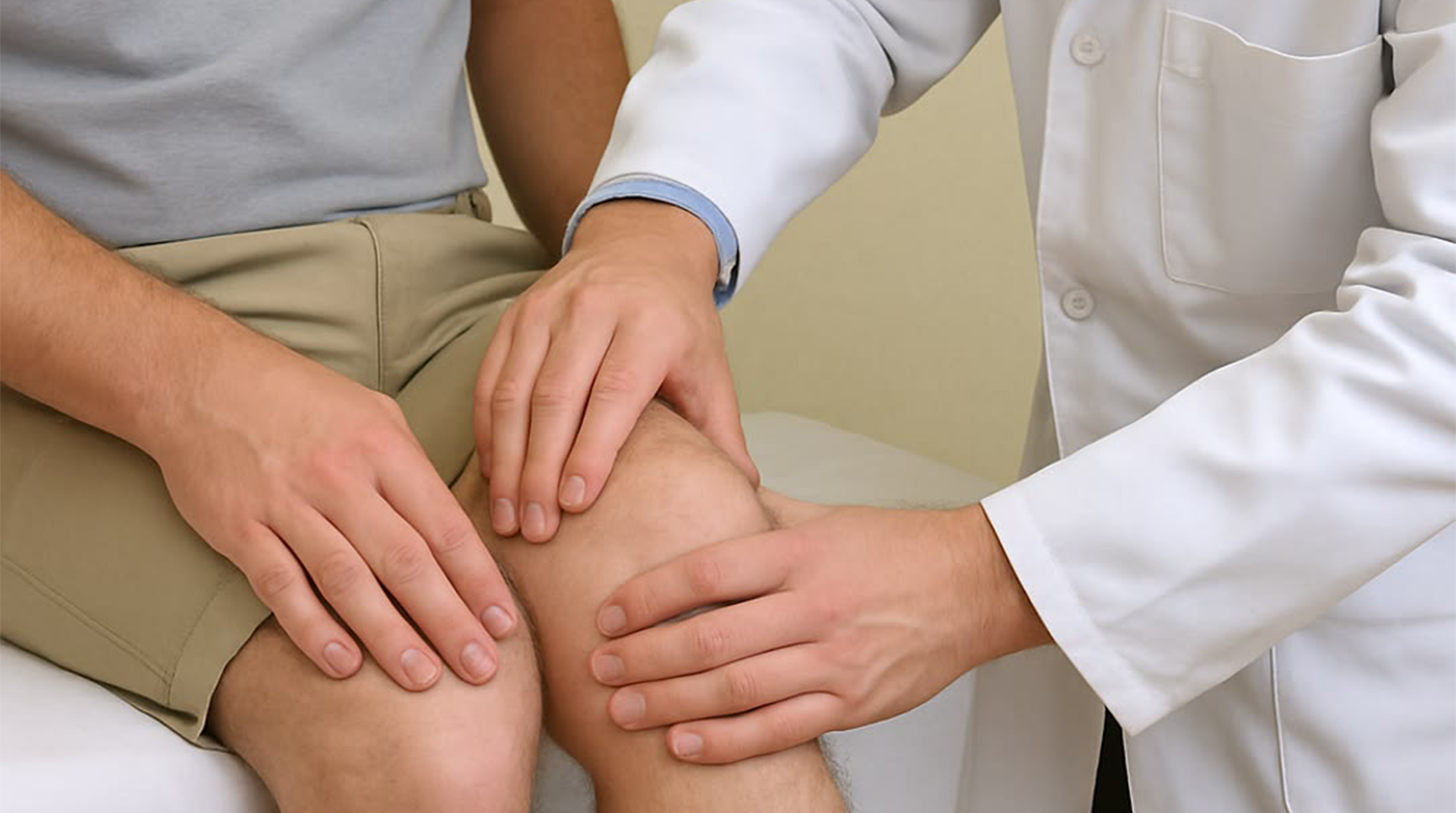
ACL injury is a common knee injury, especially among active individuals and athletes. Therefore, once the injury is diagnosed, the primary goal is to achieve a safe and effective recovery. However, many people fail to identify the actual cause of their knee pain. Instead, they assume it is a simple problem caused by overuse of the knee and begin self-medicating with painkillers, ointments, or home remedies.
As a result, this approach can mask the real issue, delay proper treatment, and potentially worsen the condition. Therefore, understanding ACL injuries and their symptoms is essential for protecting your long-term knee health.
Through the insights shared by Dr. Arun Jyothi, you can gain a better understanding of ACL injuries and explore more informative blogs to stay aware of common orthopedic conditions and their treatments.
If you are looking for the ACL Injuries best ACL treatment in Trivandrum, contact Dr. Arun Jyothi for expert evaluation, diagnosis, and personalized care.