Sports Rehab for Runners: Managing Knee Pain, Shin Splints & Muscle Fatigue
Running strengthens the body, yet it often brings challenges that athletes cannot ignore. Many runners experience knee pain, shin splints, or muscle fatigue at some point. This is where sports rehab becomes essential, because it helps athletes manage discomfort, restore movement, and return to peak performance safely. Below, we answer the most common questions runners ask about pain and recovery.
Why Do Runners Commonly Develop Knee Pain?
Runners develop knee pain mainly because repetitive impact stresses the joint. Although the knee is strong, improper form, weak muscles, or sudden training spikes can overload the area. Additionally, poor footwear or uneven surfaces can worsen the problem. Therefore, early assessment helps prevent long-term issues.
How Does Sports Rehab Help Reduce Knee Pain?
Sports rehab reduces knee pain by strengthening surrounding muscles, improving alignment, and enhancing overall mobility. Moreover, it corrects movement errors, reduces inflammation, and rebuilds joint stability. Under the guidance of experts like Dr. Arun Jyothi, runners learn personalized strategies that support pain-free running and long-term knee health.
What Exactly Causes Shin Splints in Runners?
Shin splints occur when the muscles and tissues along the shinbone undergo excessive stress. Often, runners develop them after increasing distance too quickly. Furthermore, hard running surfaces, tight calves, and weak foot muscles contribute to the condition. However, early intervention prevents the issue from getting worse.
How Can Runners Manage and Prevent Shin Splints Effectively?
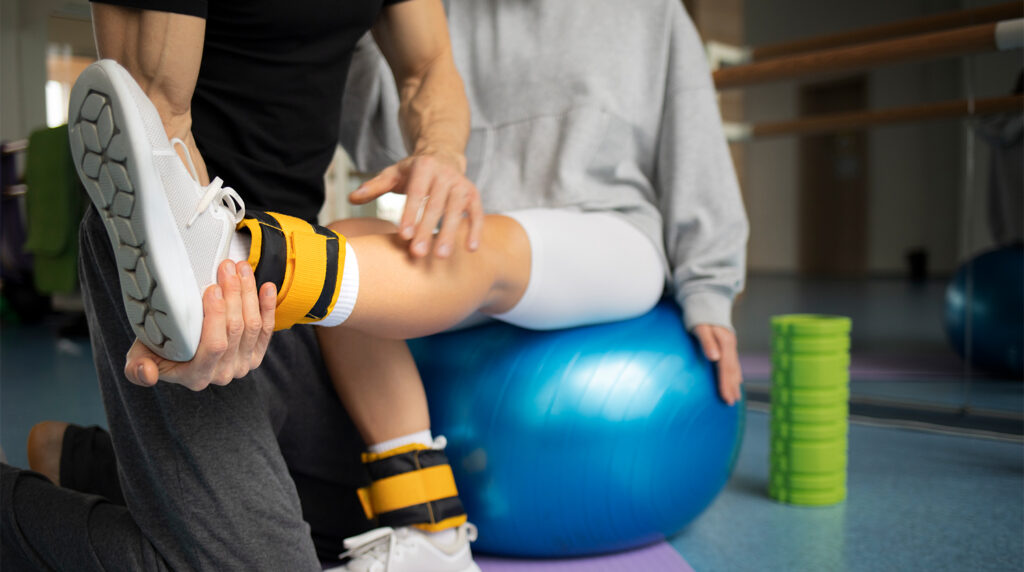
Runners can manage shin splints by reducing load, performing mobility drills, strengthening the lower leg, and correcting running mechanics. In addition, using proper shoes, adjusting stride length, and training on softer surfaces help reduce stress. Sports rehab also includes taping, stretching, and progressive strengthening to ensure safe recovery.
Why Do Runners Experience Muscle Fatigue Frequently?
Muscle fatigue often results from overtraining, poor recovery habits, or inefficient running form. Since running demands both endurance and power, the muscles must stay well-conditioned. However, when training volume increases but recovery does not, fatigue builds quickly.
How Does Sports Rehab Improve Muscle Endurance and Reduce Fatigue?
Sports rehab improves endurance by teaching runners to train smarter. It focuses on dynamic warm-ups, strength training, breathing control, and functional movement drills. Additionally, it helps runners understand load management so they avoid unnecessary strain. With consistent guidance, they maintain strength even during intense training cycles.
Should Runners Consult a Specialist for Persistent Pain?
Yes. Persistent pain signals an underlying issue that needs attention. Therefore, consulting a specialist ensures accurate diagnosis and customized treatment. Since every runner’s body moves differently, experts like Dr. Arun Jyothi design targeted plans that speed up recovery, prevent reinjury, and optimize performance.
Conclusion
In conclusion, runners stay stronger and more confident when they combine smart training with proper care. Knee pain, shin splints, and muscle fatigue improve significantly with structured sports rehab, because it strengthens the body, enhances movement quality, and supports long-term performance. If you want a personalised running assessment and a recovery plan that keeps you moving safely, consult Dr. Arun Jyothi today and take the first step toward pain-free running and improved endurance.