Why Some Sports Injuries Heal and Others Don’t – A Specialist’s Perspective
Sports injuries are common. However, many people feel confused when one injury heals fast and another one keeps causing pain. Dr. Arun Jyothi, a leading Sports Orthopedic Specialist in Kerala, explains this clearly. He often sees patients who ignore small pain at first, but later struggle with long-term problems. According to him, the body has a strong healing system. Yet, certain factors can slow it down. Therefore, people must understand the warning signs early.
In this blog, Dr. Arun Jyothi explains the common reasons why some sports injuries heal and others do not. Moreover, he shares simple ways to protect your joints and muscles. Most importantly, he wants people to take action before small pain becomes a big problem.
The Type of Tissue Matters
First of all, not all body tissues heal the same way.
- Muscles have good blood supply. So, they usually heal faster.
- Ligaments and tendons have less blood supply. Therefore, they heal slowly.
- Cartilage has very poor blood supply. As a result, it may not heal properly without treatment.
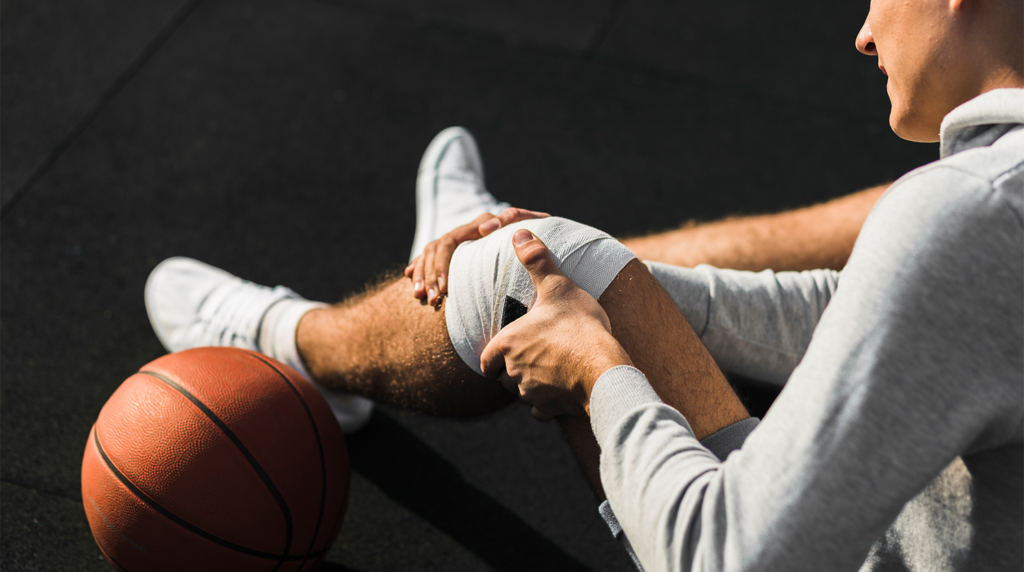
For example, if you strain your thigh muscle while playing football, it may improve in two to three weeks. However, if you tear your ACL ligament in the knee, recovery takes months. In some cases, surgery is needed.
Early Treatment Makes a Big Difference
Many people think, “It is just a small pain.” However, delay can create serious damage.
For instance, a young cricketer twists his ankle. He continues playing without rest. At first, the pain feels mild. Later, the ankle becomes unstable. Finally, he develops repeated sprains.
If he had taken early treatment, the healing would have been smooth. Therefore, early diagnosis is very important.
Rest vs Overuse
The body needs rest to repair tissues. On the other hand, continuous stress slows healing.
For example:
- Gym users who train daily without rest may develop shoulder pain.
- Runners who increase distance suddenly may face knee problems.
In contrast, balanced training helps recovery. So, proper rest is not a weakness. Instead, it is smart training.
Severity of the Injury
Mild injuries heal faster. Severe injuries take longer.
- A small muscle pull may heal in weeks.
- A complete ligament tear may need surgery.
- A fracture needs proper alignment and healing time.
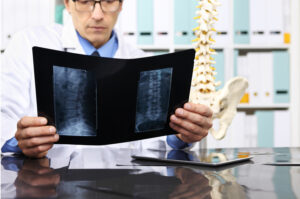
Therefore, understanding the severity is important. Clinical examination and imaging help doctors decide the right treatment.
Age and Health Condition
Healing speed also depends on age and overall health.
Young athletes recover faster. However, people with diabetes, obesity, or smoking habits may heal slowly. In addition, poor nutrition affects tissue repair.
So, overall health directly impacts injury recovery.
Rehabilitation and Physiotherapy
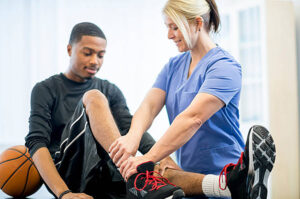
Many people stop treatment when pain reduces. However, pain relief does not mean full healing.
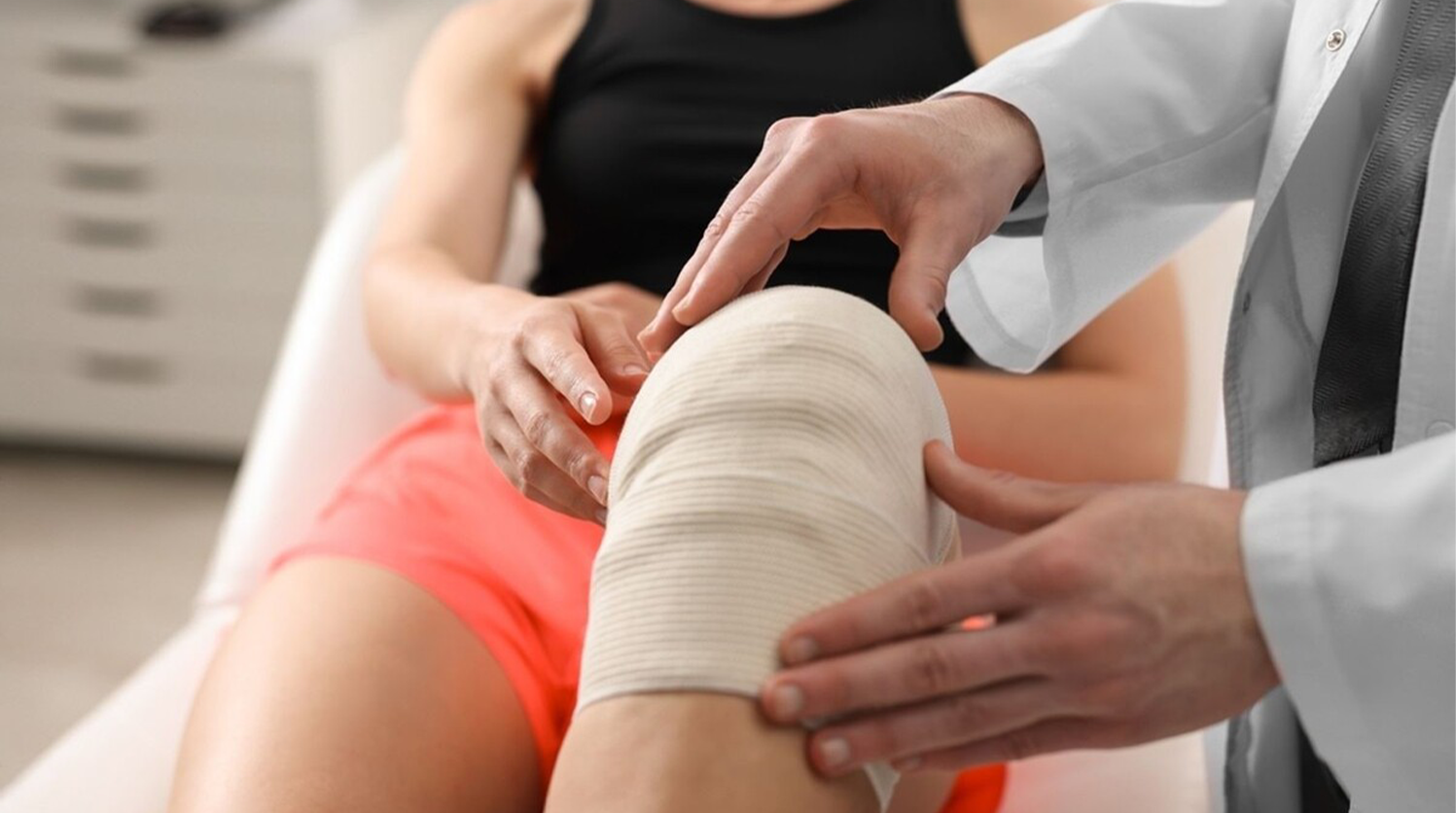
For example, after knee injury:
- Pain may reduce in two weeks.
- But muscle strength may remain weak.
- As a result, the injury may return.
Therefore, structured rehabilitation is essential. Strengthening and balance training protect the joint from future damage.
Conclusion: Protect Your Body Before It Is Too Late
In summary, some sports injuries heal quickly because of good blood supply, early treatment, proper rest, and guided rehabilitation. However, others become long-term problems due to delay, overuse, or incomplete recovery.
If you experience swelling, persistent pain, joint instability, or reduced movement, do not ignore it. Early evaluation can prevent major complications. A trusted Sports Orthopedic Specialist in Kerala can assess the problem and guide proper recovery.
Healthy Tips to Prevent Long-Term Injury:
- Warm up before exercise.
- Increase intensity gradually.
- Take rest days seriously.
- Eat protein-rich food.
- Stay hydrated.
- Complete full rehabilitation.
- Seek medical advice early.
Your body supports your dreams. Therefore, treat it with care. If you want expert guidance and personalized sports injury care, consult Sports Orthopedic Specialist in Kerala today and visit our consultation page to book your appointment. Early care ensures strong recovery and safe return to sport.