Running is an excellent way to stay active and improve overall fitness. However, repetitive stress on the knees can sometimes lead to pain, especially in people who run regularly. Runners knee causes treatment guide helps you understand why knee pain develops during running, the common symptoms to watch for, and the right steps to support recovery and prevent it from coming back. One of the most common conditions associated with running is runner’s knee, also known as patellofemoral pain syndrome.
What Is Runner’s Knee?
“Runner’s knee” refers to pain around or behind the kneecap. It usually develops when repeated movement puts excessive stress on the knee joint. Although runners commonly experience this condition, cyclists, hikers, athletes, and people who frequently climb stairs can also develop it.
Moreover, factors such as sudden increases in training intensity, poor running form, muscle weakness, and inadequate footwear can contribute to knee pain.
Common Symptoms of Runner’s Knee
The symptoms can develop gradually rather than appearing suddenly. Common signs include:
- Pain around or behind the kneecap
- Pain that increases while running or walking downhill
- Discomfort when climbing or descending stairs
- Knee pain after sitting for a long time
- A grinding or clicking sensation in the knee
- Tenderness around the kneecap
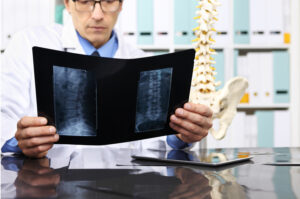
If the pain continues or interferes with daily activities, consult an orthopaedic specialist for a proper evaluation.
What Causes Runner’s Knee?
Several factors can contribute to this condition. For example, suddenly increasing running distance or intensity can place additional stress on the knee. Similarly, weak thigh, hip or core muscles may affect how the knee moves during physical activity.
In addition, improper running technique, unsuitable footwear and muscle tightness can increase stress around the kneecap. Therefore, identifying the underlying cause is important for effective treatment.
How Can You Prevent It?
You can reduce your risk of knee pain by making a few simple changes to your routine
Warm up properly: Start with gentle movements and dynamic stretches before running.
Increase training gradually: Avoid suddenly increasing your running distance, speed or intensity.
Strengthen supporting muscles: Exercises that strengthen the quadriceps, hamstrings, hips and core can improve knee stability.
Choose suitable footwear: Comfortable, supportive running shoes can help provide better support during activity.
Maintain proper running form: Good posture and controlled movement can reduce unnecessary stress on the knees.
Most importantly, listen to your body. If pain develops, reduce activities that aggravate the symptoms instead of continuing through the pain.
Treatment for Runner’s Knee
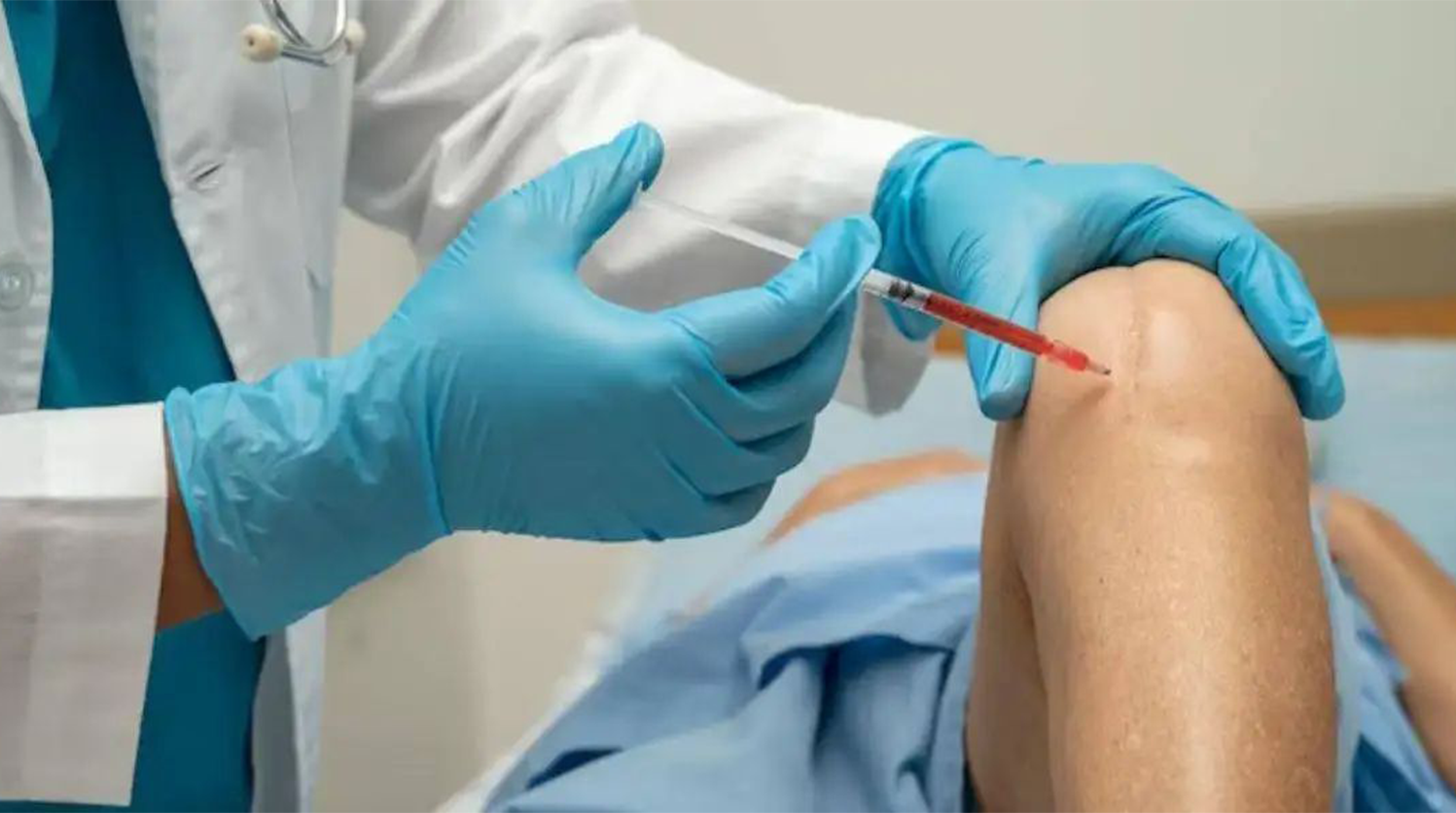
Treatment depends on the severity and underlying cause of the condition. Initially, doctors may recommend rest from activities that worsen the pain, along with appropriate exercises and physiotherapy.
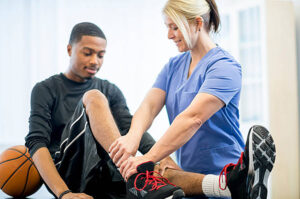
A physiotherapist can assess muscle strength, flexibility, movement patterns, and running mechanics. Based on the assessment, they can develop an individualised rehabilitation programme that may include strengthening exercises, stretching, mobility training, and gradual return-to-running exercises.
Dr. Arun Jyothi can evaluate persistent knee pain and help determine whether further assessment or treatment is required.
When Should You See a Doctor?
Occasional muscle soreness after exercise may improve with rest. However, persistent knee pain should not be ignored. If the pain continues, becomes severe, causes swelling or affects your ability to walk or exercise, seek professional medical advice.
Early assessment can help identify the cause and prevent the problem from becoming more difficult to manage.
Get Back to Running Safely
A Runners knee causes treatment guide explains the common reasons behind runners knee, how to recognize its symptoms, and effective ways to manage and prevent knee pain. Running should support your health, not leave you dealing with constant knee pain. With the right diagnosis, appropriate rehabilitation, and gradual return to activity, many people can safely get back to the activities they enjoy.
If you experience runner’s knee symptoms, consult a qualified orthopaedic professional such as Dr Arun Jyothi for appropriate evaluation and guidance. Taking action early can help protect your knees and keep you moving with confidence.