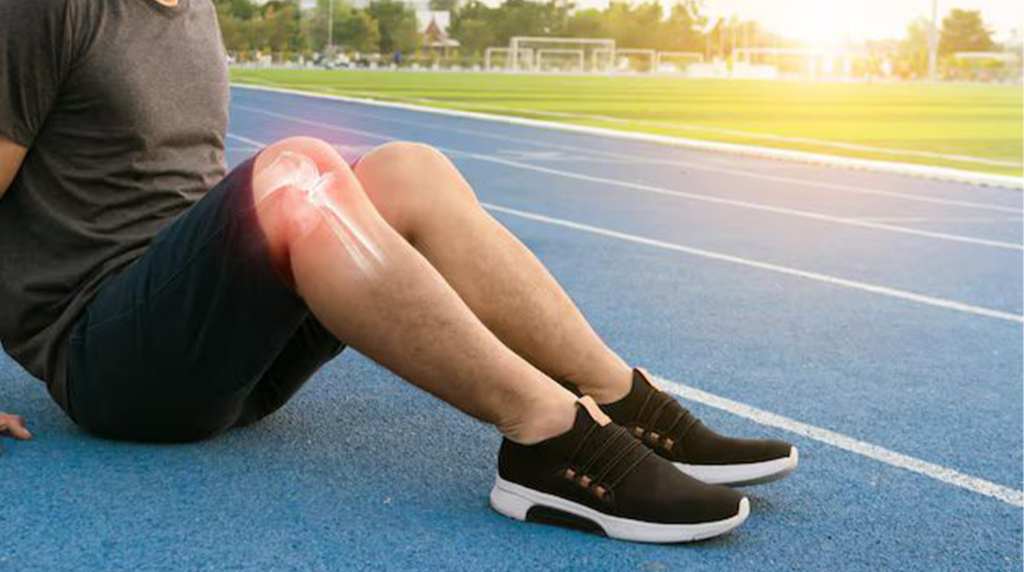
Running offers an excellent way to stay active, improve fitness, and support overall health. However, knee pain after running can affect runners of all experience levels. It often appears after a sudden increase in running distance, speed, or training frequency.
As a sports medicine doctor, Dr. Arun Jyothi explains that occasional muscle soreness after a demanding workout can be normal. However, recurring or persistent knee pain deserves attention. Identifying the cause early can help you manage the problem effectively and reduce the risk of further injury.
What Causes Knee Pain After Running?
Several factors can contribute to knee discomfort after running. In many cases, overuse, training errors, muscle weakness, running mechanics, or previous injuries can place additional stress on the knee.
1. Overuse and Sudden Training Changes
One of the most common reasons runners develop knee pain involves increasing training too quickly. When you suddenly increase your distance, speed, or frequency, your body may not have enough time to adapt.
As a result, repeated stress can irritate the muscles, tendons, and other tissues around the knee.
Dr. Arun Jyothi recommends increasing training gradually and giving your body enough recovery time between demanding sessions.
2. Poor Running Form
Running mechanics can also influence the amount of stress placed on your knees. Poor posture, improper foot placement, or excessive inward movement of the knee can affect how your body absorbs impact.
Therefore, runners who experience recurring discomfort should consider having their movement assessed by a qualified physiotherapist or sports medicine professional.
Improving movement patterns can help distribute forces more effectively and support safer running.
3. Weak Leg and Hip Muscles
Your quadriceps, hamstrings, glutes, and calf muscles work together to support your lower body during running. If these muscles lack strength or work unevenly, your knee may experience additional stress.
For this reason, Dr Arun Jyothi emphasises the importance of strengthening the hips and legs as part of a well-rounded running routine.
A suitable strengthening programme can improve stability and help your body handle running demands more effectively.
4. Runner’s Knee
Patellofemoral pain syndrome, commonly known as runner’s knee, can cause pain around or behind the kneecap. Runners may notice the discomfort during or after running. They may also experience pain while climbing stairs, squatting, or sitting for extended periods.
However, the symptoms can vary from person to person.
With appropriate assessment, activity modification, strengthening exercises, and movement correction, many people can manage runner’s knee effectively.
5. Inappropriate Running Shoes
Your footwear can influence your comfort and running mechanics. Worn-out shoes or footwear that does not suit your running requirements may contribute to discomfort in the lower limbs.
Therefore, choose comfortable running shoes that fit properly and suit your activity. However, shoes alone do not determine whether you will develop knee pain. Your training habits, strength, movement patterns, and previous injuries also matter.
6. Previous Injuries
A previous injury to the knee, ankle, hip, or foot can sometimes change the way you move. Consequently, these movement changes may place additional stress on the knee when you return to running.
Proper rehabilitation can help restore strength, mobility, balance, and movement control.
Dr Arun Jyothi recommends addressing unresolved problems rather than repeatedly running through pain.
When Should You Seek Professional Advice?
Not every episode of knee discomfort indicates a serious injury. Nevertheless, recurring symptoms deserve professional evaluation.
Consider seeking medical advice if your knee pain:
Keeps returning after running
Becomes progressively worse
Causes noticeable swelling or stiffness
Affects walking or everyday activities
Does not improve with adequate rest
Begins after a fall, twist, or direct injury
Prevents you from performing your usual activities
An early assessment can help identify the underlying cause and guide you toward appropriate treatment.
How Can You Prevent Knee Pain After Running?
You can take several practical steps to reduce unnecessary stress on your knees.
1. Warm Up Before Running
Begin your session with an appropriate warm-up. Gradually preparing your muscles and joints can help your body transition into running.
2. Increase Training Gradually
Avoid making sudden increases in distance, speed, or training frequency. Instead, allow your body time to adapt to changes in workload.
3. Strengthen Your Legs and Hips
Include appropriate strengthening exercises for your quadriceps, hamstrings, glutes, and calves. Strong supporting muscles can improve stability and movement control.
4. Focus on Running Technique
Good running mechanics can help you move efficiently. If you repeatedly experience pain, a sports medicine doctor or physiotherapist can assess your movement and recommend suitable changes.
5. Choose Suitable Footwear
Wear comfortable running shoes that fit properly and suit your running needs. Replace excessively worn footwear when necessary.
6. Prioritize Recovery
Your body needs time to recover between demanding workouts. Include rest or lighter activity when appropriate, especially after intense training sessions.
7. Do Not Ignore Persistent Pain
Mild soreness may improve with recovery. However, persistent or worsening pain requires attention. Continuing to run through significant pain may make the problem harder to manage.
Dr. Arun Jyothi’s Advice for Runners
According to Dr. Arun Jyothi, runners should not assume that knee pain is simply a normal part of running.
“Pain can provide an important signal that your body needs attention. Instead of ignoring recurring symptoms, identify the cause and address it early.”
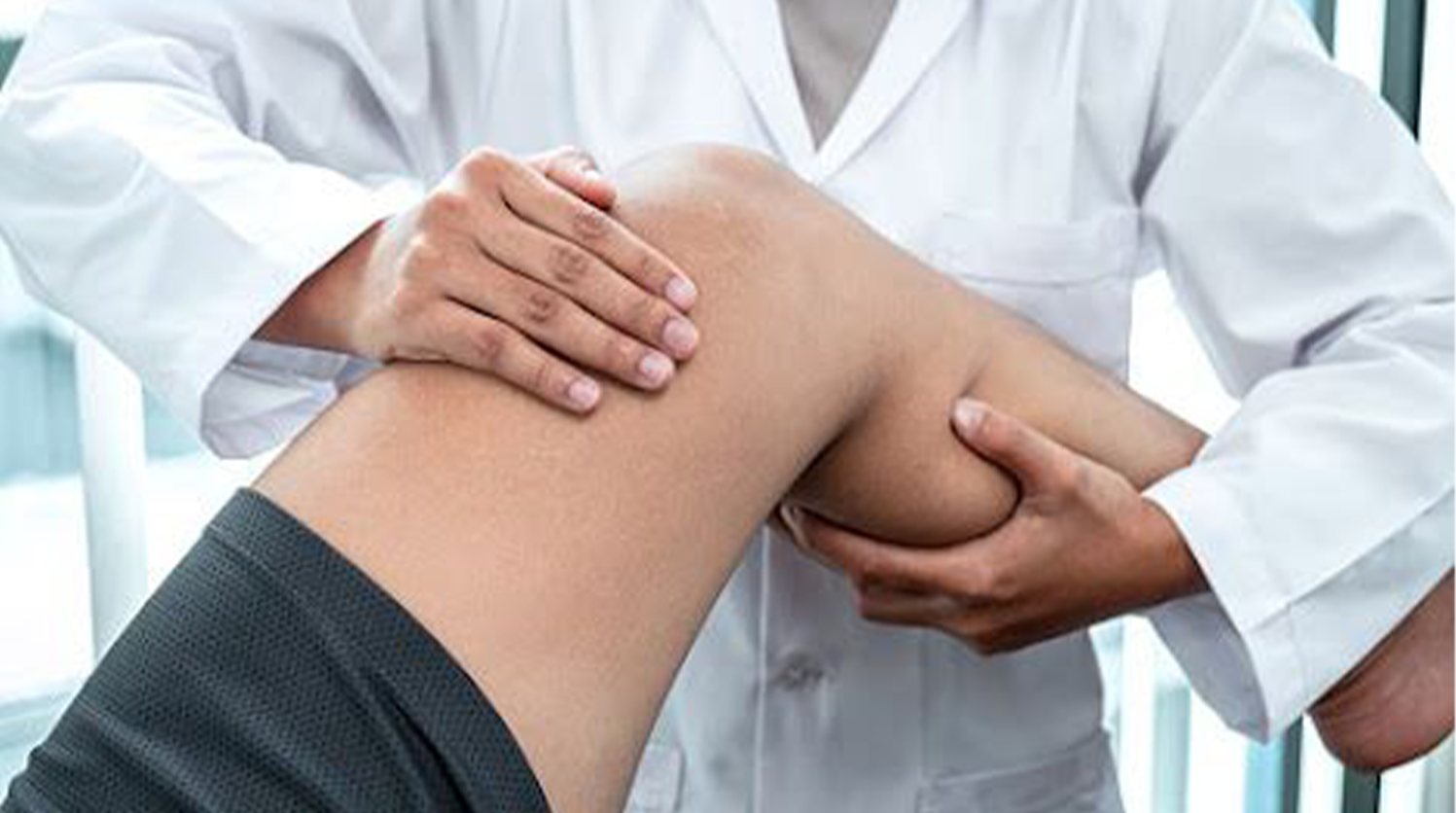
A proper assessment can help determine whether the problem relates to training load, muscle weakness, movement mechanics, an existing injury, or another condition. Based on the findings, a healthcare professional can recommend an appropriate recovery and return-to-running plan.
Get the Right Support for Your Knee
Running should support your health and fitness, not leave you dealing with persistent discomfort. While occasional soreness can occur after demanding exercise, recurring knee pain after running deserves proper attention.
By managing your training load, improving strength, maintaining suitable running habits, and seeking professional advice when necessary, you can protect your knees and work towards a safer return to running.
If your knee pain continues or affects your daily activities, consult a qualified sports medicine doctor, Dr Arun Jyothi, for an appropriate assessment and personalised guidance.