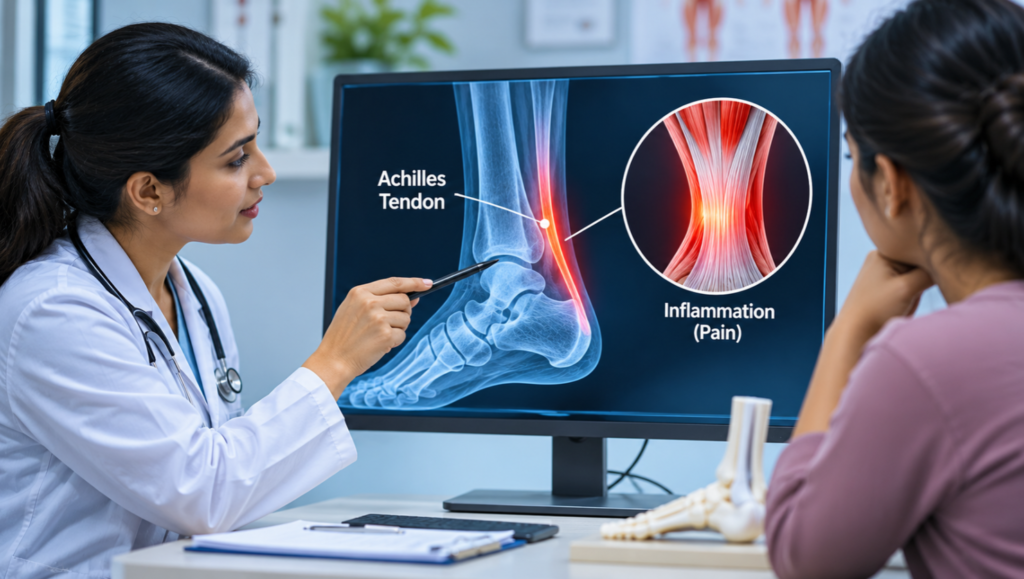
The best tendon injury treatment can help relieve heel pain caused by an Achilles tendon tear. Pain at the back of the heel can interfere with everyday activities, especially running, jumping and walking.
Many people experience difficulty walking or going up and down stairs. Sometimes, the pain becomes so uncomfortable that they prefer wearing open-back shoes or arriving wearing their regular footwear to avoid pressure on the affected area.
This pain and inflammation around the Achilles tendon is commonly associated with Achilles tendinitis. In this blog, we will explore Achilles tendinitis, its causes and symptoms, and the treatment options available.
What Is the Achilles Tendon?
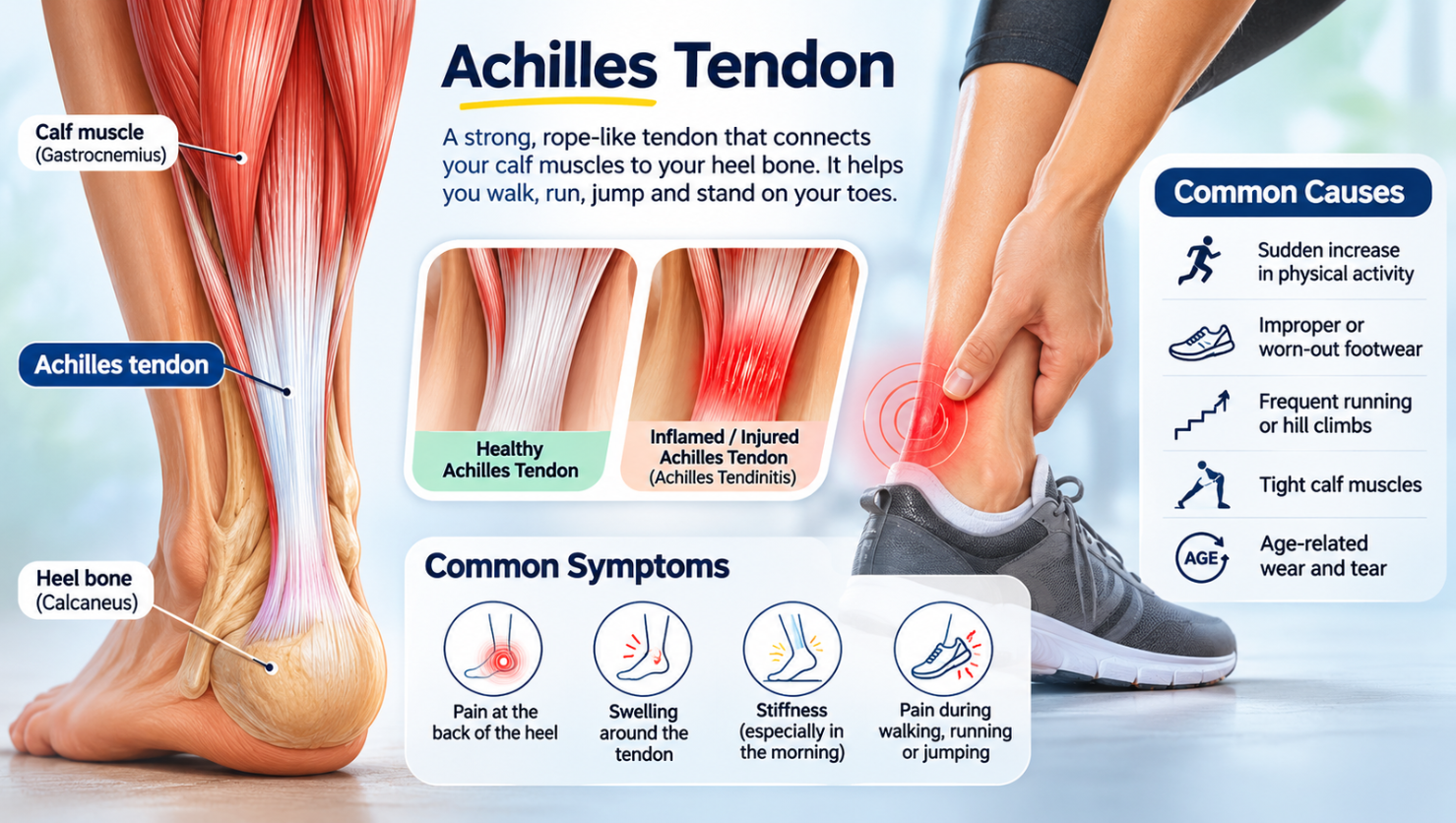
The Achilles tendon is the strongest and thickest tendon in the human body. It connects the calf muscles (gastrocnemius and soleus) to the calcaneus (heel bone). This tendon plays an important role in movements such as standing, walking, running and jumping. However, repeated movements and excessive strain can cause pain, inflammation and, sometimes, a tendon tear.
What Are the Possible Causes of an Achilles Tendon Injury?
The main causes of Achilles tendinitis include conditions where calcium deposits form within the Achilles tendon, leading to pain, inflammation and limited movement in the affected area. This condition commonly affects active adults who participate in sports and other physical activities. To help relieve pain and inflammation, Dr Arun Jyothi, one of the best sports medicine doctors in Kerala, provides proper examination and recommends suitable treatment.
How Can You Identify an Achilles Tendon Injury?
Achilles tendinitis is common among active adults and people who participate in sports. You can identify this condition by irritation and pain at the back of the heel. In many cases, inflammation in the affected area can lead to calcium deposits, which may gradually develop into a noticeable bump.
Furthermore, footwear can cause external irritation when it rubs against this bump. The irritation may occur where the Achilles tendon meets a calcification or bone spur at the back of the heel. This condition is commonly known as a Haglund’s deformity, also called a pump bump.
Diagnosis and Treatment of Achilles Tendinitis
The first step in tendon repair treatment is to consult a doctor who specialises in tendon injuries. During the consultation, the doctor may ask about the duration and location of the pain, recent changes in physical activity, previous injuries and the severity of the symptoms. This information helps the doctor make an accurate diagnosis and recommend a suitable treatment plan.
Here, we explain the step-by-step treatment options for Achilles tendinitis.
1. Physical Examination and Diagnosis
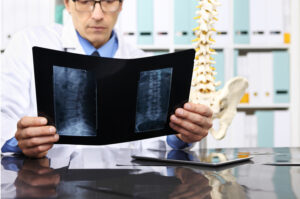
First, the doctor performs a physical examination to assess the affected area, identify tenderness and check the movement of the Achilles tendon. The doctor may also recommend imaging tests, such as X-rays, along with a detailed clinical assessment to understand the condition and determine the appropriate treatment plan.
2. Role of Physiotherapy in Achilles Tendinitis
Doctors generally prioritise non-surgical treatment before considering surgery. Initially, they may recommend conservative approaches to manage pain and inflammation. These may include anti-inflammatory creams to help relieve local discomfort.
Furthermore, physiotherapy plays an important role in managing Achilles tendinitis. A physiotherapist may recommend appropriate stretching and strengthening exercises to improve tendon flexibility and function. Treatments such as ultrasound therapy and shockwave therapy may also help reduce pain when clinically appropriate. A structured exercise programme can further support recovery.
3. Surgical Treatment
If non-surgical treatments do not provide sufficient relief, the doctor may consider surgery. Specialists such as Dr Arun Jyothi, who focuses on tendon repair treatment, may first explore conservative treatment options. However, if these approaches do not improve the condition, the doctor may recommend surgery based on the patient’s needs.
During open surgery for Achilles tendinitis, the surgeon makes an incision at the back of the leg to access the affected tendon directly. The surgeon then removes damaged or scar tissue, repairs any tendon tears and performs other necessary procedures to address the condition.
How Long Does It Take to Recover from an Achilles Tendon Injury?
Doctors usually recommend trying non-operative treatment for 2 to 3 months before considering surgery. During this period, they may explore different treatment options and combine suitable approaches to manage the condition effectively. If these treatments provide relief, patients may avoid surgery. Therefore, doctors generally recommend exploring appropriate conservative treatments before making a surgical decision.
After Achilles tendon surgery, the doctor may recommend cast immobilisation for 6 to 12 weeks, depending on the patient’s condition and recovery progress. Following this period, the patient gradually resumes weight-bearing activities under medical guidance. Additionally, a comprehensive rehabilitation programme that includes physiotherapy helps restore tendon strength, flexibility and movement.
Conclusion
Tendon injury treatment can help manage pain and improve mobility in conditions such as Achilles tendinitis. If you experience persistent heel pain, consulting a specialist is important. Dr Arun Jyothi, a tendon repair treatment specialist in Trivandrum, evaluates the patient’s medical history, examines the affected area and recommends an appropriate treatment plan.
Depending on the severity of Achilles tendinitis, the doctor may recommend either non-surgical treatment or surgical intervention. Therefore, understanding tendon injury treatment can help you recognise the importance of early diagnosis and proper care.
Sometimes, we may assume that severe heel pain occurs only because of uncomfortable footwear. However, persistent pain may indicate an underlying tendon problem that requires medical attention. So, do not ignore ongoing heel pain or delay seeking professional advice. Consult Dr Arun Jyothi for an appropriate evaluation and treatment plan.