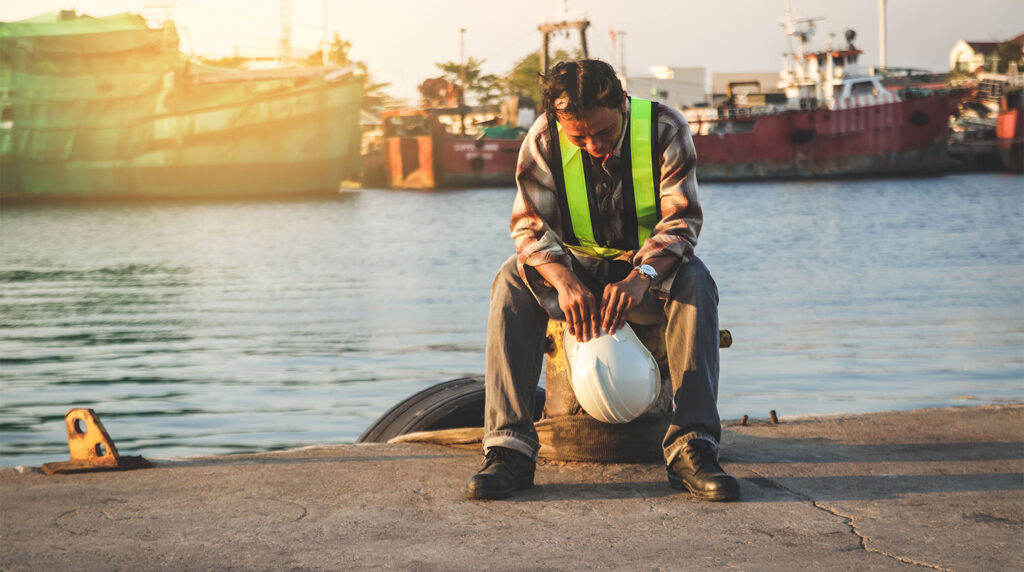
Marine work looks strong and adventurous. However, behind this strength, the body often suffers. Marine workers lift heavy loads, stand for long hours, and work on moving surfaces. Because of this, bones, joints, and muscles take continuous stress. As a result, many workers develop serious injuries over time. Today, from an orthopedic point of view, Dr. Arun Jyothi, an experienced orthopedic doctor in Kerala, explains how marine work affects the body and why early care matters.
How Marine Work Affects the Body
First, marine workers use their back, shoulders, and knees more than any other body parts. For example, lifting equipment puts pressure on the spine. At the same time, working on slippery decks forces the body to adjust balance constantly. Moreover, repeated movements slowly damage joints. Therefore, pain does not always start suddenly. Instead, it builds silently over months or years. Similarly, vibration from machines affects the neck and lower back. In addition, long shifts reduce rest and recovery time. Consequently, muscles weaken and injuries worsen.
Common Injuries Seen by Orthopedic Surgeons
According to clinical observation, orthopedic surgeons frequently treat marine workers for:
- Lower back disc problems
- Shoulder tendon tears
- Knee cartilage and ligament injuries
- Neck stiffness and nerve pain
Often, workers ignore early pain. However, delaying treatment increases damage. Thus, many cases finally need surgery. Dr. Arun Jyothi, a trusted orthopedic doctor in Kerala, regularly sees patients who could have avoided surgery with early medical care.

When Surgery Becomes Necessary
Sometimes, rest and physiotherapy help. On the other hand, advanced injuries need surgical treatment. For instance, severe disc compression affects nerves and movement. Likewise, untreated shoulder tears limit arm function. Hence, surgery becomes a solution, not a choice. Still, timely diagnosis reduces recovery time and improves results.
Prevention Is Always Better
Importantly, prevention starts at work. Next, correct lifting techniques protect the spine. Additionally, proper footwear improves balance. Meanwhile, regular stretching keeps joints flexible. Overall, early consultation saves long-term health. An experienced orthopedic doctor in Kerala can guide workers before pain turns serious.
Conclusion
In conclusion, marine work demands physical strength, but it also demands medical awareness. Therefore, workers must respect pain signals. Finally, listening to the body protects future mobility and career life. Dr. Arun Jyothi believes strong workers deserve strong orthopedic care. If you work in the marine industry and feel persistent pain, do not wait. Consult early. Act early. Protect your movement. Book an appointment with Dr. Arun Jyothi, orthopedic surgeon, and take the first step toward long-term bone and joint health.