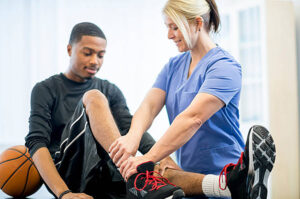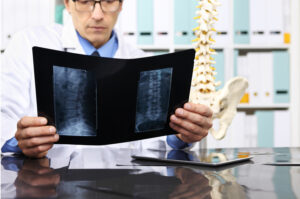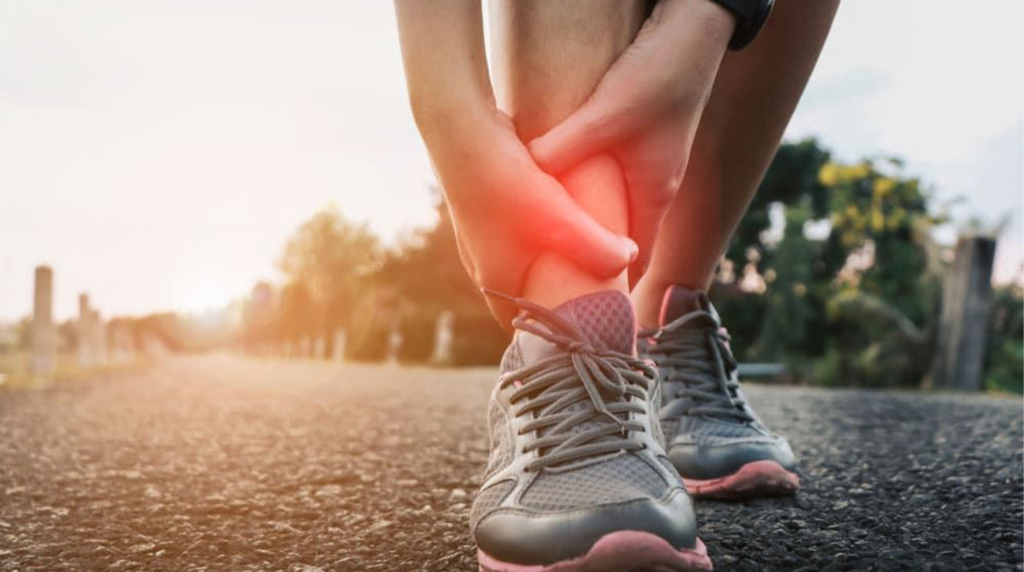
How lack of exercise leads to joint pain – Dr. Arunjyothi explains.
If you look around, most people are educated and work desk jobs, which require them to sit for prolonged hours with very little body movement. Moreover, transportation habits have changed—people prefer using two-wheelers or cars even for short distances. When it comes to using stairs, most avoid them, while they choose the easy access of elevators or lifts to reach their destinations.
As a result, the human body remains less active, blood circulation slows down, and joint pain becomes common. Lack of exercise is a serious issue that needs attention. If the body is not activated through movement, simply feeding it with food will not help—metabolism slows, leading to weight gain and obesity, which further increases the risk of joint pain.
In this blog, we explore Dr. Arunjyothi’s perspective on how lack of exercise causes joint pain. Dr. Arunjyothi is considered one of the top orthopedic specialists in Trivandrum for joint pain. Let’s dive in and understand his insights on why staying active is essential for healthy joints.
What are the Different Types of Joint Pain?
Joint pain can vary depending on the underlying condition. Some joint pain is caused by autoimmune issues, such as Lupus or Rheumatoid Arthritis. Other types result from overuse of the joints, like Bursitis and Tendinitis. There are also cases caused by the deposition of uric acid, such as Gout.
Now, let’s focus on our main subject: how lack of exercise leads to joint pain.
A common condition related to inactivity is Osteoarthritis. In this condition, the main symptoms include pain, stiffness, and reduced movement. Without proper movement, the joint cartilage wears out, and redness and stiffness develop as a result. Inactive joints lose flexibility, and the surrounding muscles weaken, which further contributes to pain and limited mobility.
Regular movement is therefore essential to maintain healthy cartilage, improve circulation, and prevent stiffness. Lack of exercise accelerates joint wear and tear, making conditions like Osteoarthritis more severe over time.
Where does joint stiffness occur most often?
Before jumping to the conclusion, it is important to note that joint stiffness due to inactivity can be identified easily. After waking from prolonged hours of sitting or lying down, you may feel tightness and stiffness in your joints. However, after a few minutes of walking or gentle movement, the stiffness usually reduces significantly. This is why joint stiffness is a primary symptom in inactive individuals.
Unlike injury or arthritis, there are no visible symptoms such as redness, warmth, or swelling in the body of an otherwise healthy, active person. These visible signs typically appear only in cases of joint injury or inflammatory conditions.
We can manage joint stiffness effectively through regular exercise, gentle movements, walking, or cycling. These activities help keep the joints flexible and maintain healthy circulation.
As we address the question of which areas are most affected, it is important to note that the least movable joints—such as the knees, shoulders, and hips—are the most likely to develop stiffness in inactive individuals.
How Muscle Weakness Causes Joint Pain?
Muscles are the main support system for our joints. When muscles become weak, they fail to protect the joints properly, which increases stress on the joints and often leads to joint pain.
The main causes of muscle weakness include:
- Lack of exercise or movement: Muscles shrink and lose strength when not regularly used.
- Sedentary lifestyle: Sitting for long hours, such as in desk jobs, reduces muscle activity, particularly in the knees, back, and shoulders.
- Aging: As we grow older, muscle mass naturally decreases if it is not maintained through regular activity.
- Injury or immobilization: Muscles that are unused due to injury weaken quickly, which can further stress nearby joints.
Weak muscles make joints more prone to pain, stiffness, and injury. Therefore, it is essential to strengthen muscles through regular exercise and movement.
For severe or persistent joint pain, consulting a top orthopedic specialist is recommended. Dr. Arunjyothi, a leading expert in Trivandrum, specializes in treating joint-related issues and can provide guidance for recovery and prevention.
Weight Gain & Joint Stress
When the body is inactive, blood flow and circulation are reduced. As a result, essential nutrients do not properly reach different body parts, including the joints. Because of this, joint health starts to decline, which can lead to pain and discomfort. For proper diagnosis and care, consulting the top orthopedic specialist in Trivandrum for joint pains can help prevent further complications.
In addition, we need energy to function daily, and we get this energy from food. However, our eating habits have changed. Instead of choosing healthy foods, we often prefer junk food. Consequently, this leads to fat accumulation in the body.
Moreover, when we are not active enough to burn this fat, it gradually turns into obesity. This extra body weight makes our muscles weak and places additional stress on the joints.
As a result, joint pain becomes more common, especially in weight-bearing areas like the knees and ankles. Therefore, lack of physical activity combined with unhealthy eating habits is a major cause of weight gain and joint stress. Consulting a top orthopedic specialist in Trivandrum for joint pains at the right time can help manage symptoms and improve joint health effectively.
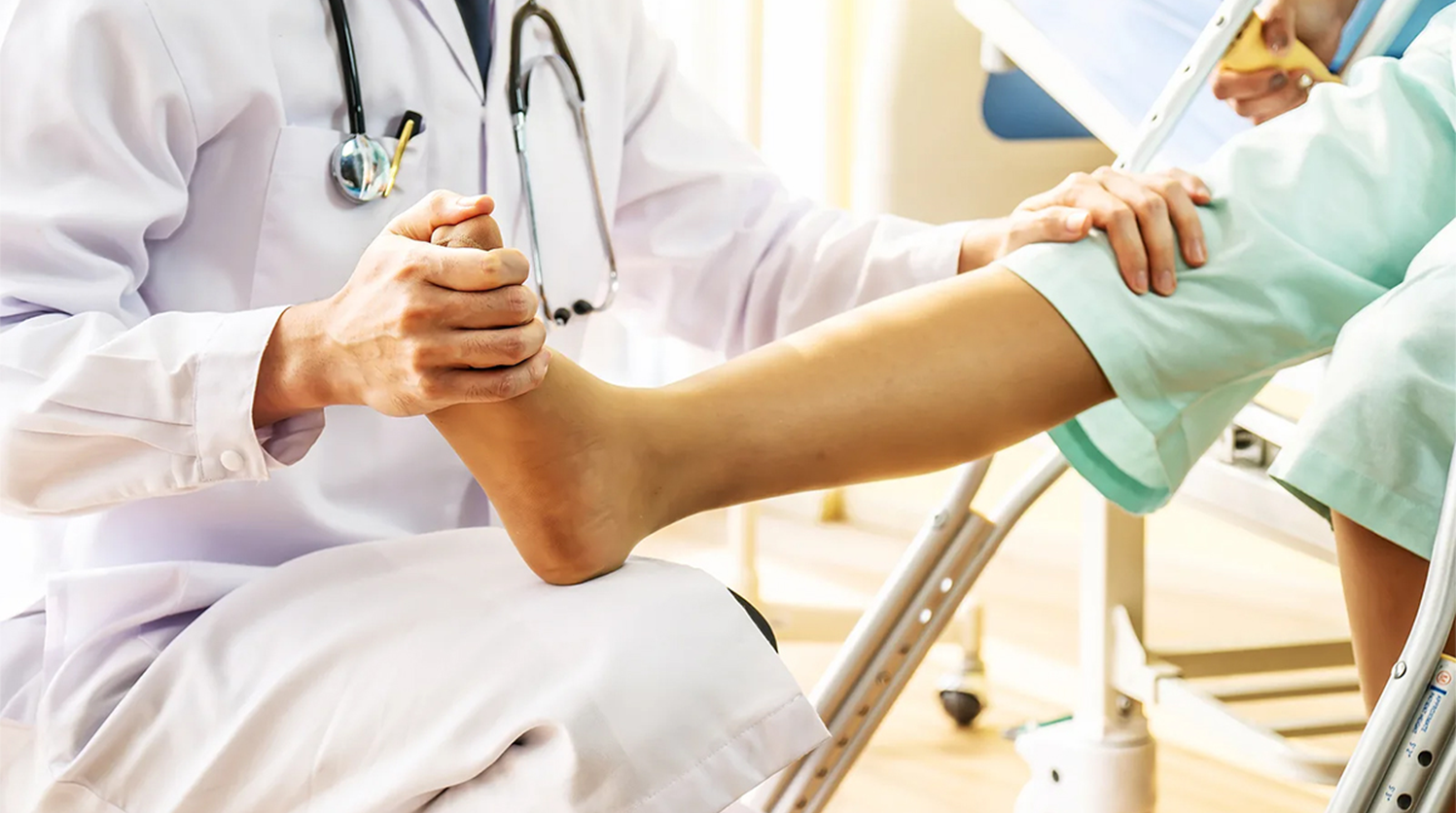
Hacks from Dr. Arun Jyothi for Joint Pain
In today’s inactive lifestyle, making small changes can create a big difference in your joint health. For instance, if you need to travel a short distance, try to walk instead of using a vehicle. This simple habit can positively impact your body and improve overall mobility.
Additionally, if you work for long hours, make sure to take short breaks in between. During these breaks, do simple stretching exercises. This helps reduce unnecessary stress that builds up in your joints over time.
Moreover, maintaining the correct sitting posture is very important. Always follow an ergonomic position while sitting on a chair, and ensure that your feet are firmly placed on the floor. This reduces strain on your joints and supports better posture.
Furthermore, include light physical activities in your daily routine. Exercises such as skipping, jogging, cycling, and basic stretching can strengthen your muscles and protect your joints. If you practice these consistently, you will notice improved flexibility and reduced joint pain.
For expert guidance, consulting the top orthopedic specialist in Trivandrum for joint pain can help you take the right steps toward better joint health. If you have any doubts regarding joint issues, feel free to explore our blog page, where you can find the root causes and effective solutions. Consult Dr. Arun Jyothi if you are suffering from severe joint pain.