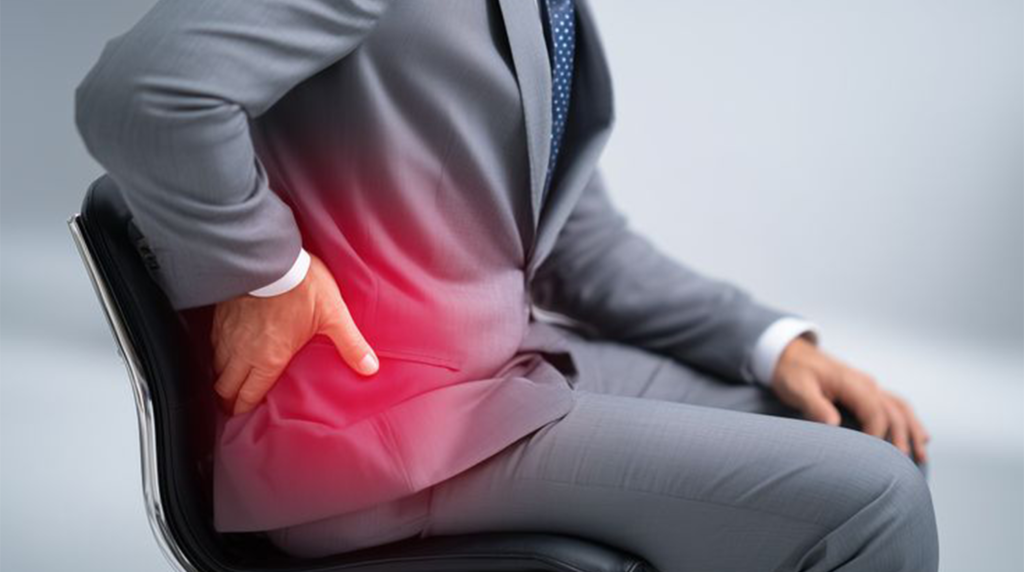
Why Sitting Too Long Can Increase Joint Pain
Have you ever stood up after long hours of sitting and felt stiffness, discomfort, or a strange pulling sensation in your knees, hips, or back? If yes, you are not alone. Many people silently deal with joint pain every day and wonder, “Why is this happening when I didn’t even do heavy work?”
In this blog, we gently explore this common problem through a friendly, question-and-answer conversation inspired by the simple explanations shared by Dr. Arun Jyothi, known for his calm, patient-first approach. So, let’s break it down together—clearly, honestly, and without complex medical words.
Q: Doctor, why does sitting for long hours affect our joints?
A: First of all, our body is not designed to stay still for long periods. When we sit continuously, our joints don’t get enough movement. Because of this, the natural lubrication inside the joints reduces. As a result, stiffness slowly builds up.
Moreover, sitting puts constant pressure on certain joints—especially the hips, knees, and lower back. Over time, this pressure creates discomfort. So, simply put, less movement leads to more trouble.
Q: But sitting feels restful. Why does it still cause discomfort?
A: That’s a very common doubt. Sitting may feel relaxing at first. However, after some time, muscles around the joints become tight. Meanwhile, blood flow slows down. Because of this, joints don’t receive enough nourishment.
In addition, poor sitting posture quietly adds stress. Therefore, even without pain at the beginning, discomfort slowly appears later.
Q: Does this happen only to older people?
A: Not at all. Nowadays, young adults and even students face this issue. Long screen time, work-from-home habits, and mobile phone usage have changed our daily routine. As a result, joints stay inactive for hours.
So, age is not the only factor. Lifestyle plays a bigger role than people realize.
Q: Which joints suffer the most from prolonged sitting?
A: Most commonly, the knees, hips, lower back, and neck feel the impact. For example, knees stay bent for long periods, hips remain compressed, and the spine loses its natural movement.
Consequently, stiffness increases. Eventually, regular discomfort becomes a daily complaint.
Q: Many people think rest is the solution. Is that true?
A: Rest is important, but too much rest can be harmful. In fact, gentle movement helps joints stay healthy. When you move, joints receive lubrication naturally. At the same time, muscles stay flexible.
Therefore, instead of sitting continuously, small movements during the day make a big difference.
Q: What simple signs should people not ignore?
A: Morning stiffness, difficulty standing after sitting, mild swelling, or discomfort that returns daily are signs your body is asking for attention. Although these signs look small, they shouldn’t be ignored.
Because early care always prevents bigger problems later.
Q: What can people do during long working hours?
A: Thankfully, solutions are simple. First, stand up every 30–40 minutes. Next, stretch gently. Then, walk for a minute or two. Also, sit with your feet flat on the floor and keep your back relaxed.
Most importantly, listen to your body. It always gives signals before real pain starts.
Q: Can daily movement really reduce joint discomfort?
A: Yes, absolutely. Regular movement improves flexibility and circulation. Over time, joints feel lighter and smoother. Instead of fear, people should choose mindful movement.
That’s why staying active is always better than staying still.

Final Thoughts
In today’s fast-paced life, sitting too long has become normal—but discomfort doesn’t have to be. With small changes, awareness, and regular movement, you can protect your joints and feel better every day. Remember, joint pain often begins quietly, but simple care can stop it early.
If you notice stiffness, discomfort, or daily joint trouble, don’t wait. Take the first step toward better movement and comfort today. Reach out, ask questions, and learn how gentle guidance can help you live freely—without fear of joint pain.
Your body supports you every day. Now, it’s time to support your body.